
A PILOT PROGRAM TO ESTABLISH A PERMANENT INDIGENOUS-LED GUIDE SCHOOL | GIOVERSITY FOUNDATION
MAMONI, CHEPO, PANAMÁ
2026 BALLOT FINALIST | NOMINATED BY OUTLIER JOURNEYS

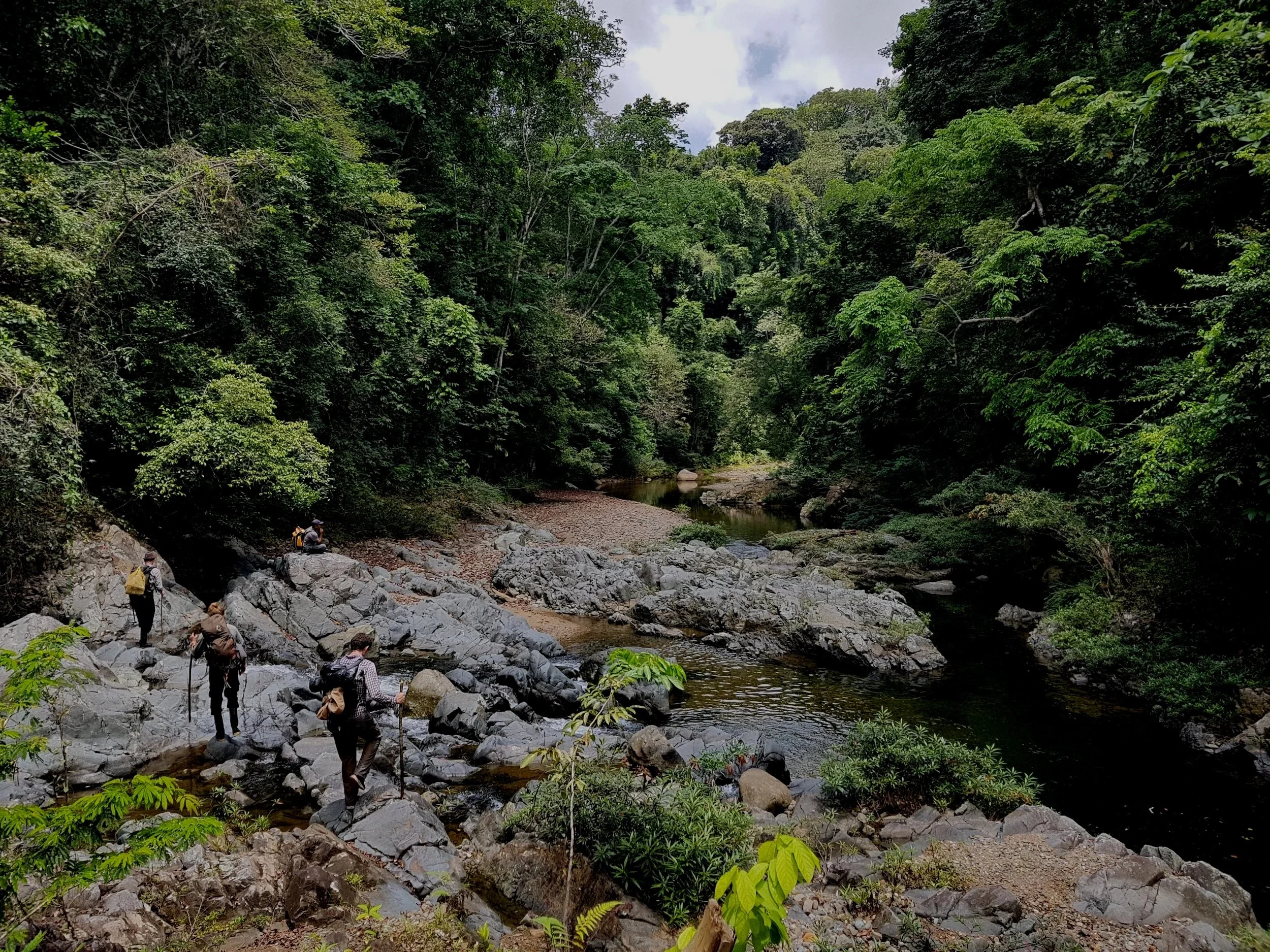
This pilot project establishes an Indigenous-led guide school that trains and certifies territorial guardians as professional adventure travel guides. By combining Indigenous ecological knowledge with internationally recognized guide and Wilderness First Responder certifications, the project creates sustainable tourism livelihoods that finance long-term protection of 152,000 hectares of rainforest and watershed while preserving Indigenous culture and biodiversity.
The Issue:
Conservation of Panama’s watersheds currently depends on unpredictable, short-term grant funding, leaving critical biodiversity vulnerable when funding ends. The underlying problem is the lack of a sustainable economic model that links Indigenous stewardship with long-term conservation financing. As a result, territorial guardians conduct monitoring without a reliable source of income, making ongoing protection difficult. The project addresses this root cause by professionalizing Indigenous territorial guardians as certified biocultural guides, equipping them with internationally recognized certifications and connecting them to the adventure travel market. Tourism revenue is intended to replace grant dependence, creating a self-financing model that supports long-term protection of 152,000 hectares of critical watershed.
What are Measurable Outcomes Expected from the Funding of this Project?
50% of certified guides’ conservation monitoring activities are funded through community-led tourism revenue rather than external grants.
152,000 hectares of critical watershed are under enhanced protection through regular, documented monitoring by certified biocultural guides.
Three professional-grade expedition itineraries are launched and marketed to international adventure travel partners.
A self-financing conservation model is established, reducing reliance on external grant funding for Indigenous stewardship.
What Would a Successful Project Result In?
A self-sustaining Indigenous guide program where certified guides generate tourism revenue that supports long-term stewardship of 152,000 hectares of critical rainforest, creating lasting conservation jobs while reducing dependence on external grant funding.