Galapagos Whale Shark Project | 2026 ATCF Grantee | Ultrasound on a whale shark
Last quarter, the people protecting our planet were hard at work. In the Galapagos, local guides and fishers reported whale shark sightings that helped researchers identify dozens of new individuals. In Zimbabwe, eight women began training to become wildlife protection scouts. In Panama, community patrols walked the beaches night after night to move sea turtle nests to safety. And in Indonesia, a team watched corals spawn at a site they've worked to restore, sending new life out across the reef.
None of this waits for permission. The people on the ground are already doing the work, and they know their landscapes, waters, and communities better than anyone.
The Adventure Travel Conservation Fund exists to stand behind them. We unite 200+ members and partners across the global travel community to champion community-led conservation, because we believe every traveler has a role in protecting the places we love to explore. Here's what that looked like in Q3.
Meet the 2026 Projects
Our 2026 grantees are working across five countries, from coral reefs in Southeast Asia to the Amazon rainforest. Each project was nominated by an ATCF member and is led by the people closest to the work. Together, they are protecting whale sharks, rhinos, sea turtles, and coral reefs, bringing clean energy to the Amazon, and creating training, jobs, and income for the communities who live alongside them.
Galapagos Whale Shark Project | Galapagos, Ecuador
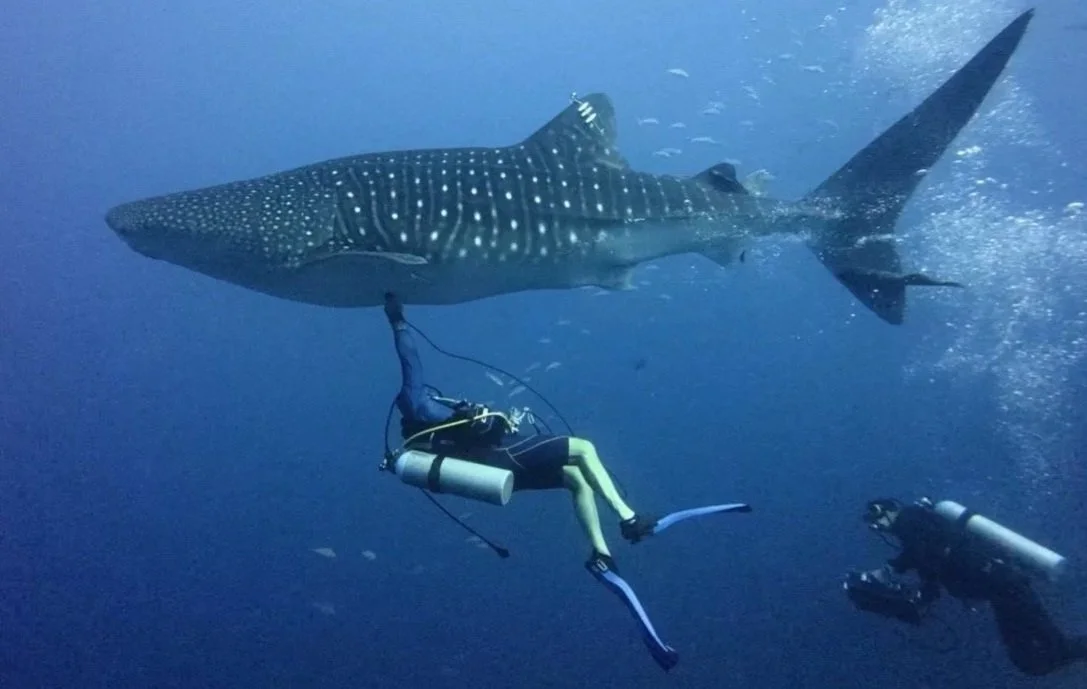
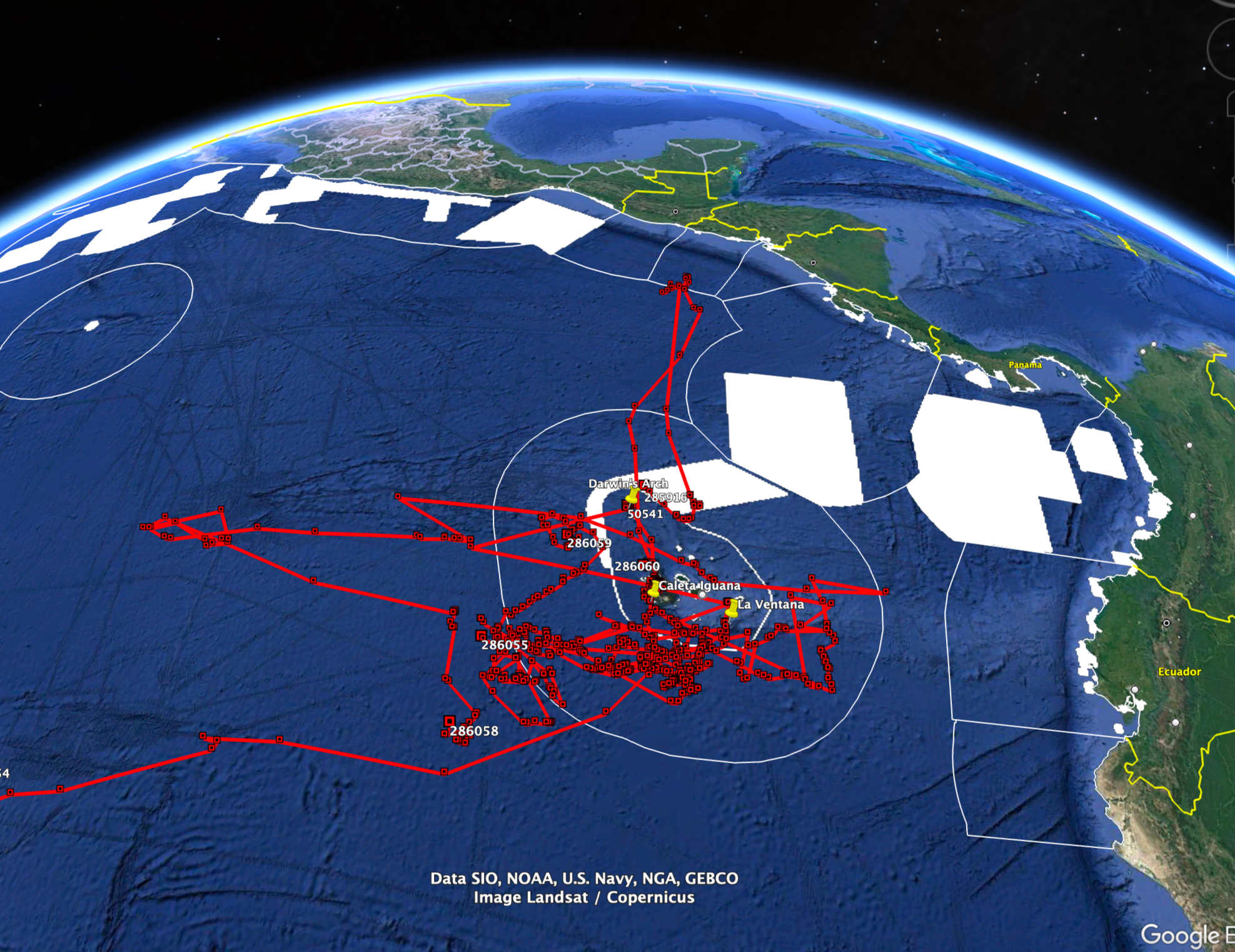
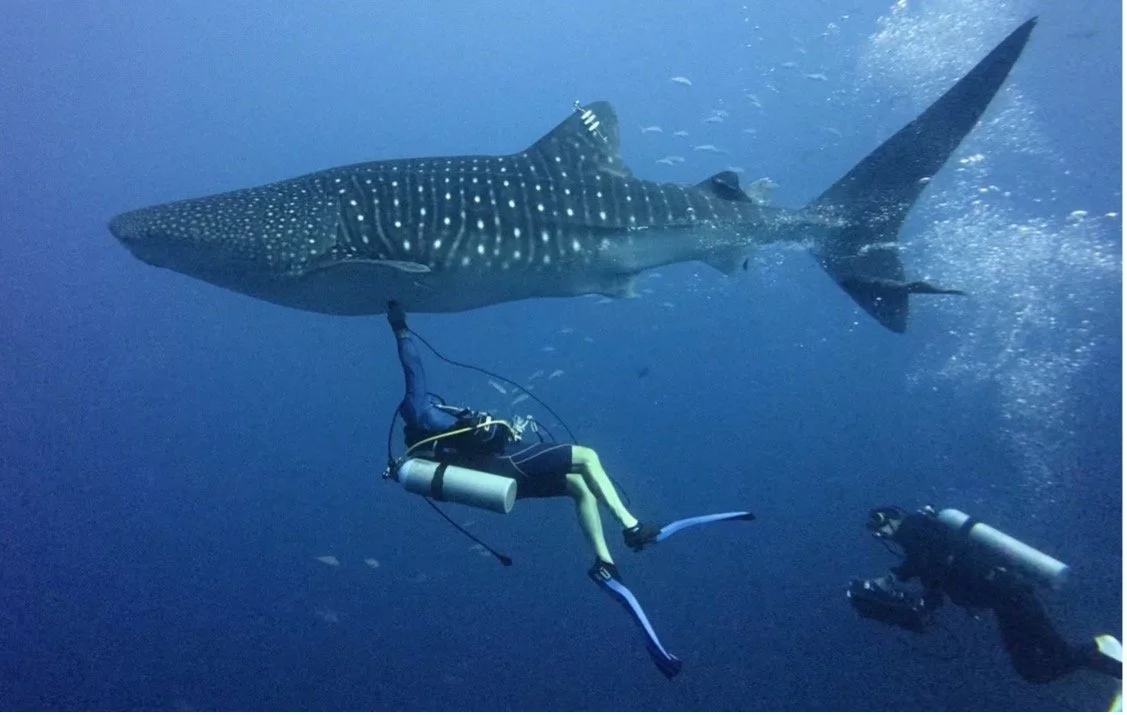
So far in 2026, local guides and fishers have submitted 60 whale shark encounter reports, helping identify 51 new whale sharks and one returning shark first recorded in 2020. On the team's annual Darwin Island expedition, researchers tagged and performed ultrasounds on two whale sharks.
Sightings were fewer this season, a decline linked to warm-water ENSO conditions. That makes these new tags especially valuable, since they can show how whale sharks move as the ocean warms. Next, the team will partner with a whale shark project in Peru to track sharks along the coast and fill key gaps in tracking data.

Integrating Women into the Cobras Unit | Tsholotsho District, Zimbabwe
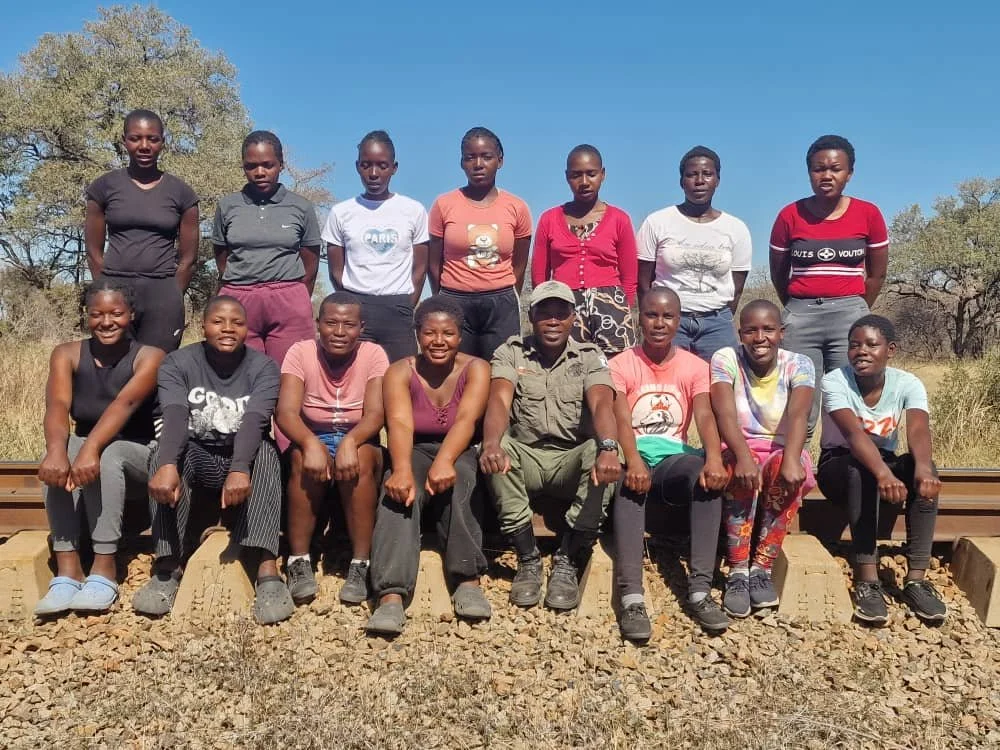
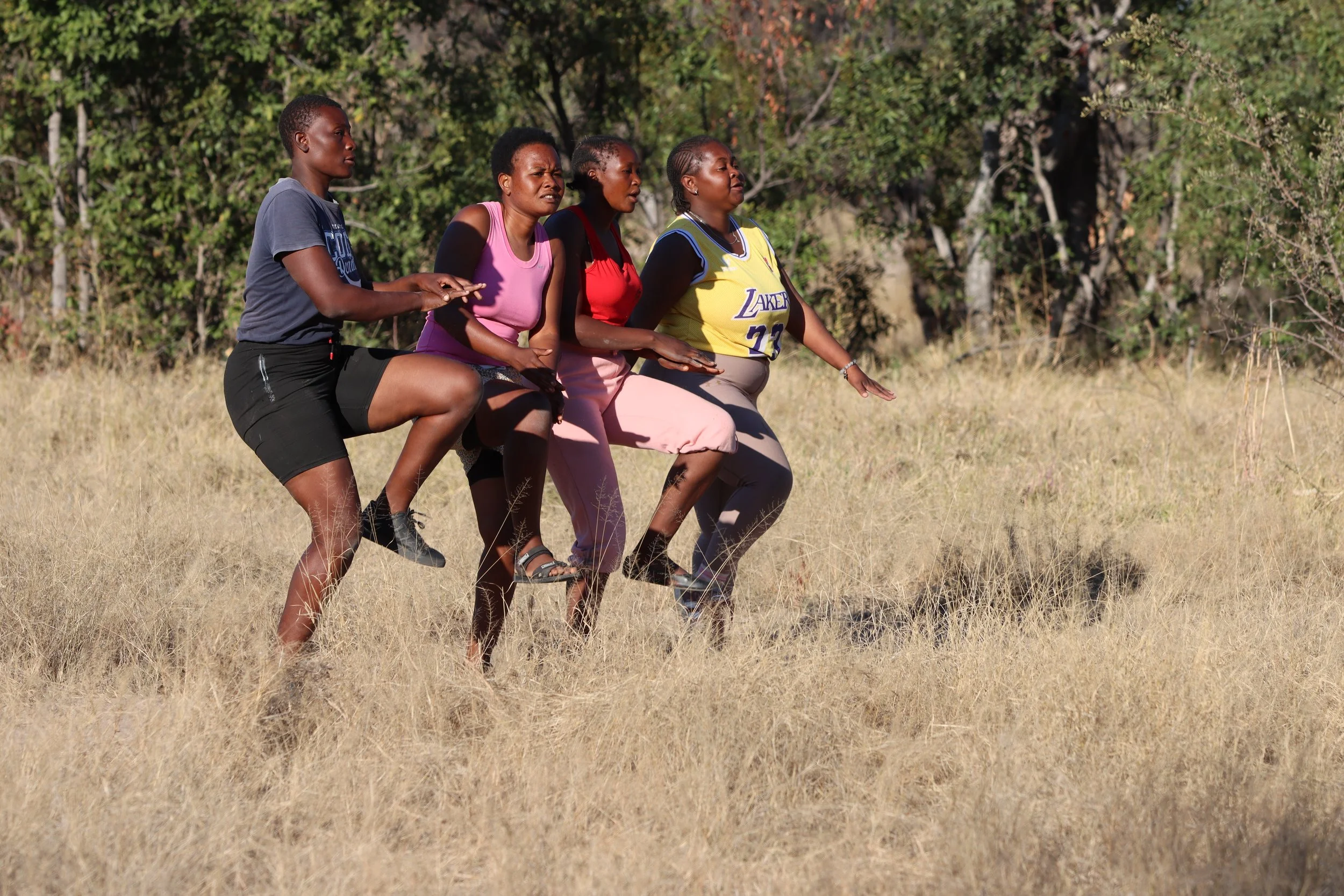
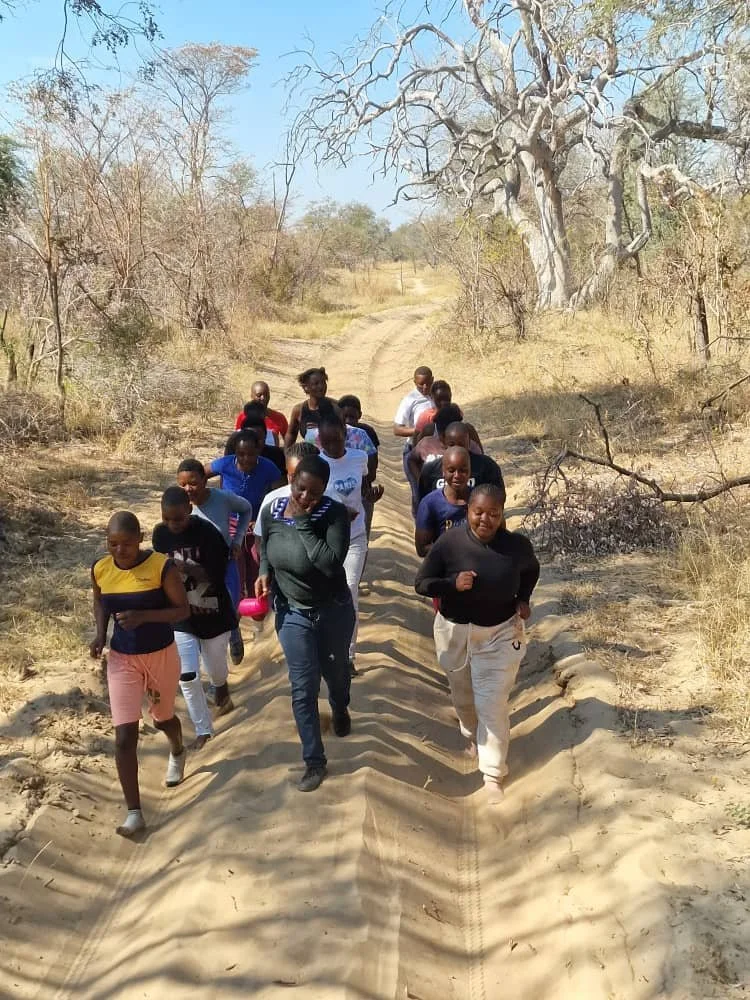
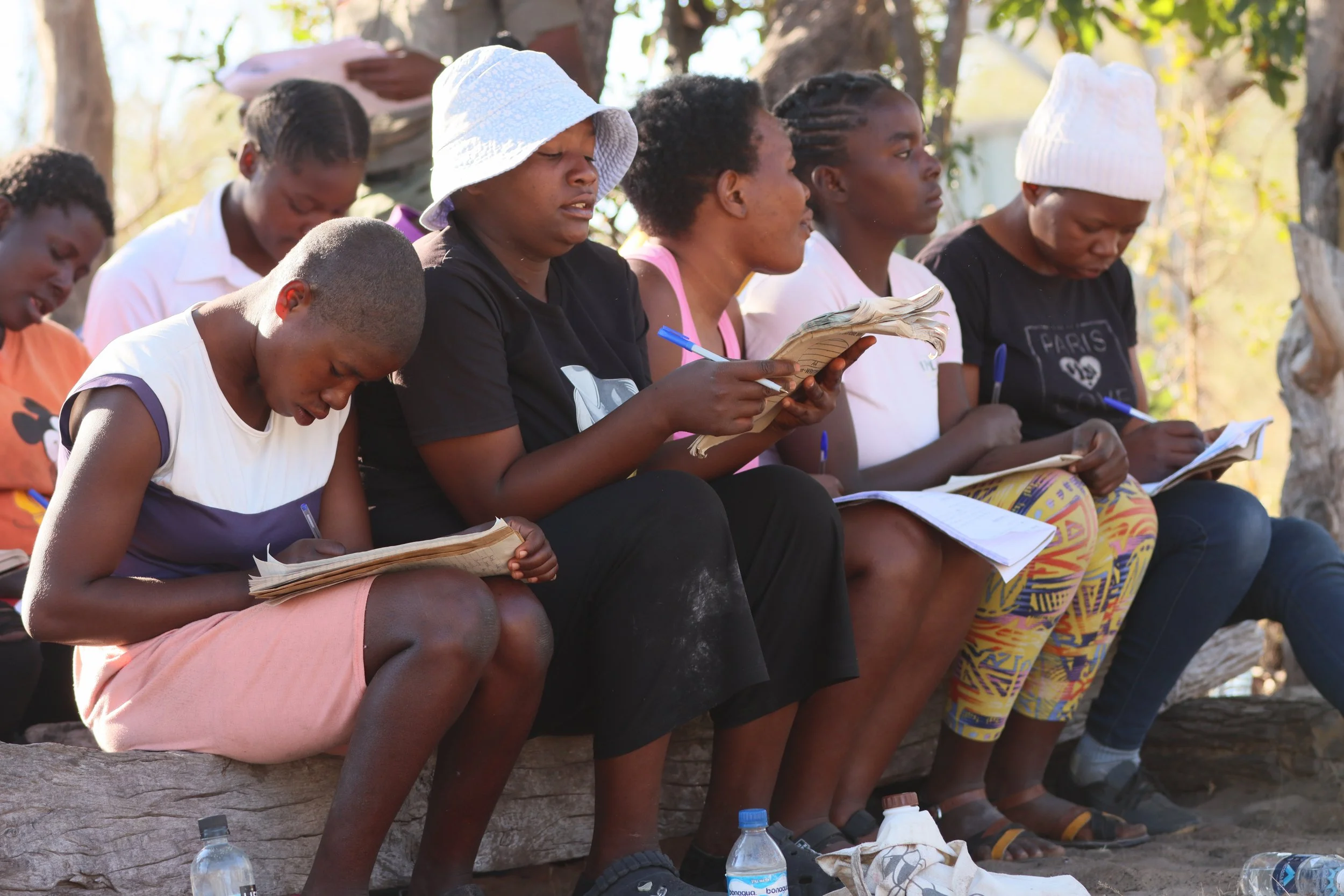
Twenty women took part in a three-week selection course this quarter, testing their discipline, teamwork, motivation, and drive. Fourteen completed the course, and eight were invited back for basic training, an intensive 6 to 9 month program covering communications, first aid, physical training, and environmental education.
The eight trainees began in September. Once they graduate, they will become fully employed Cheetah scouts, patrolling, gathering intelligence, and delivering environmental education across their villages as part of the Community Rhino Conservation Initiative's work near Hwange National Park.
Sea Turtle Conservation and Sustainable Tourism | Veraguas, Panama
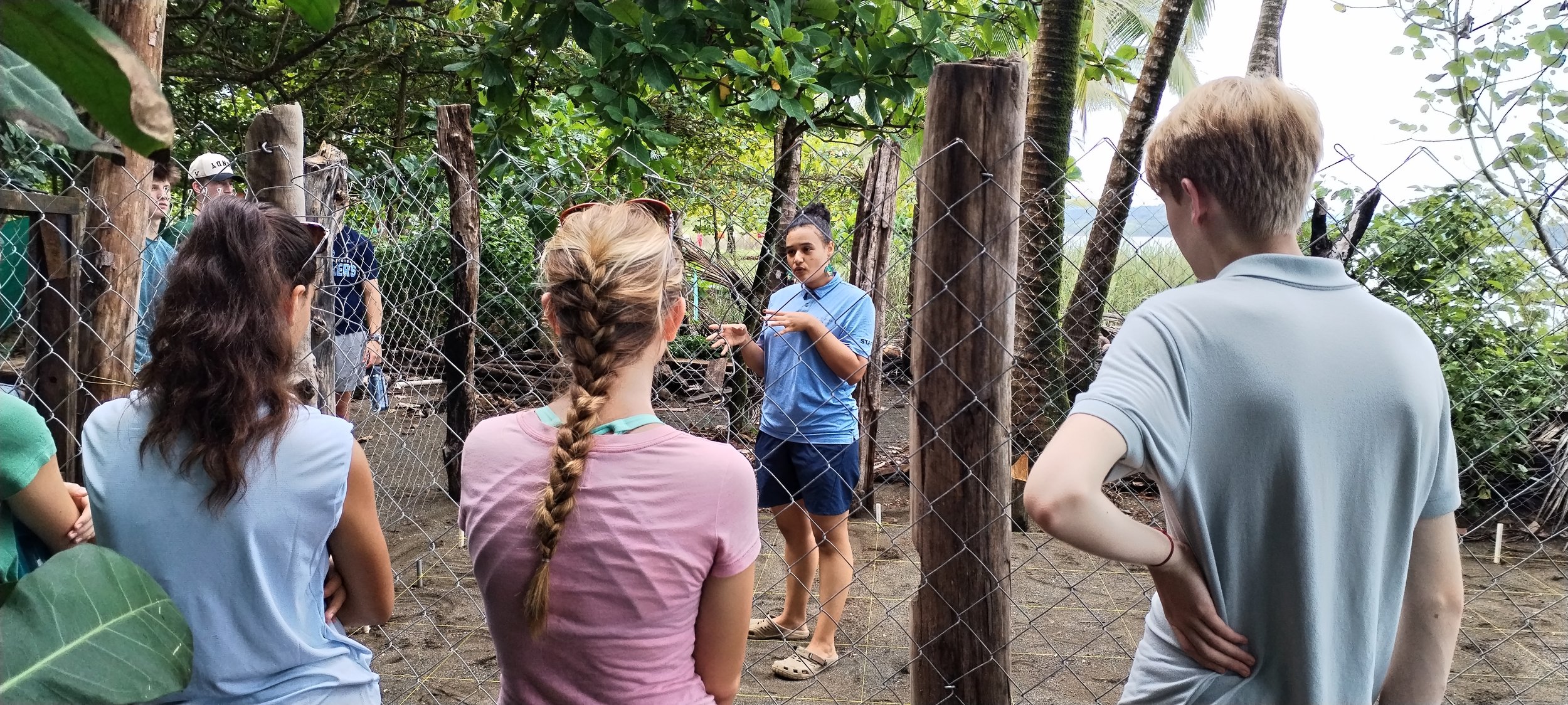
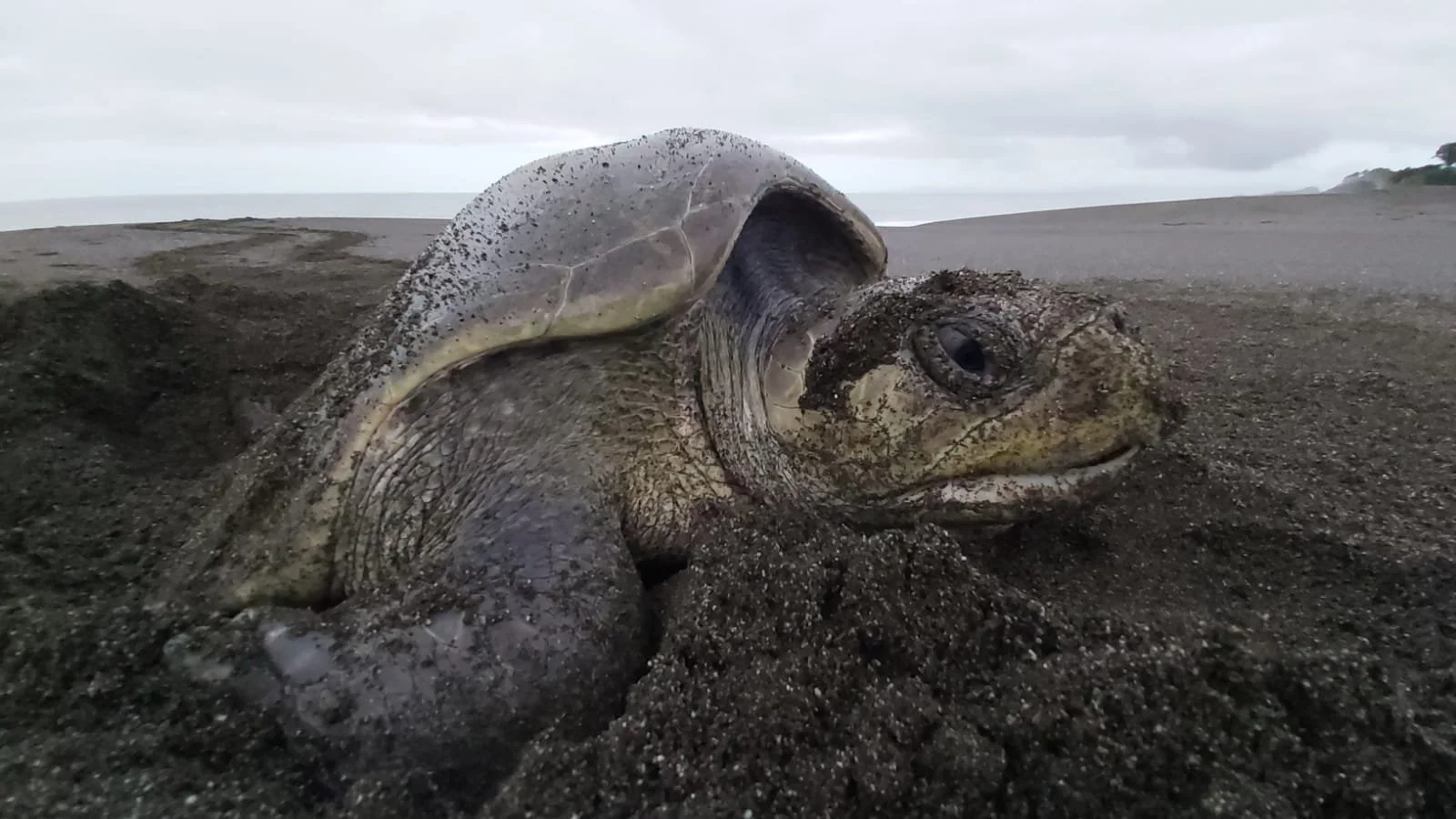
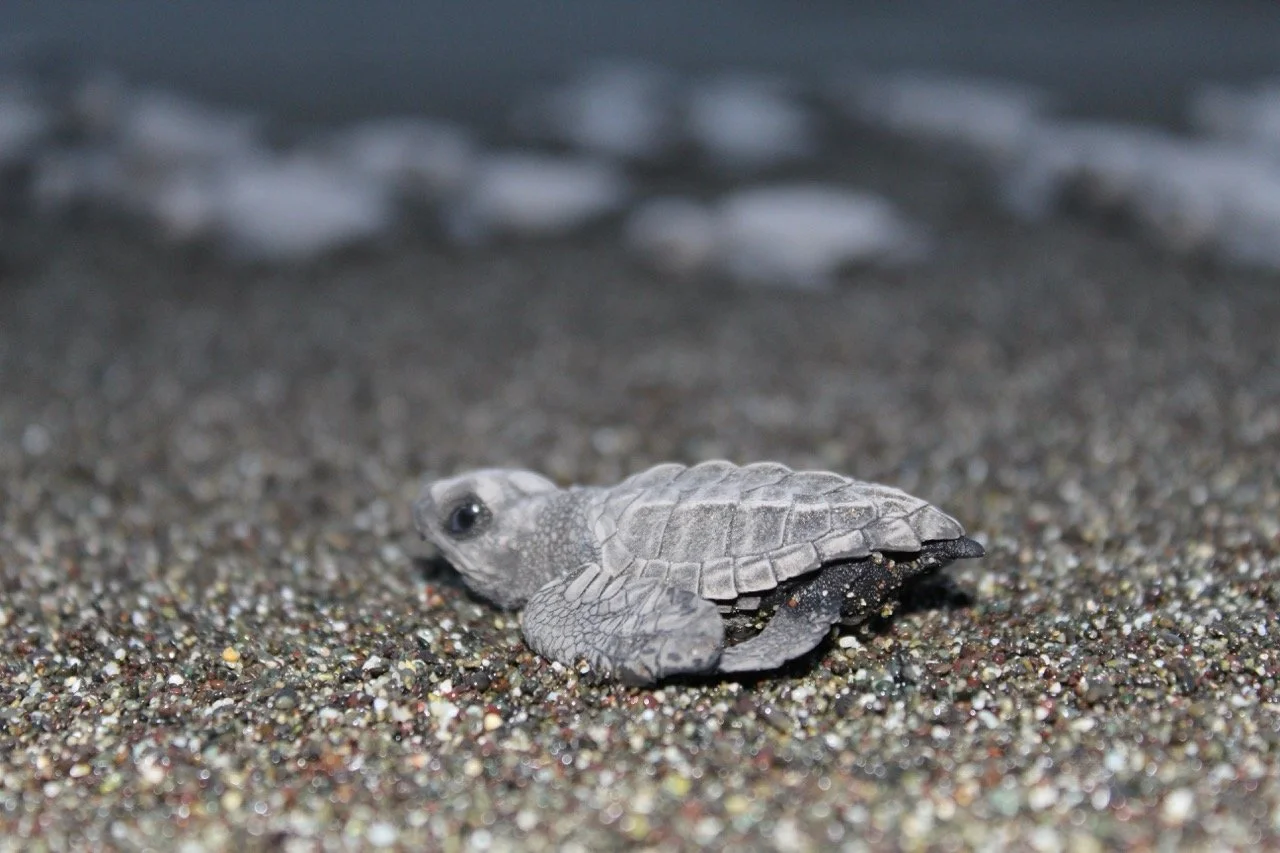
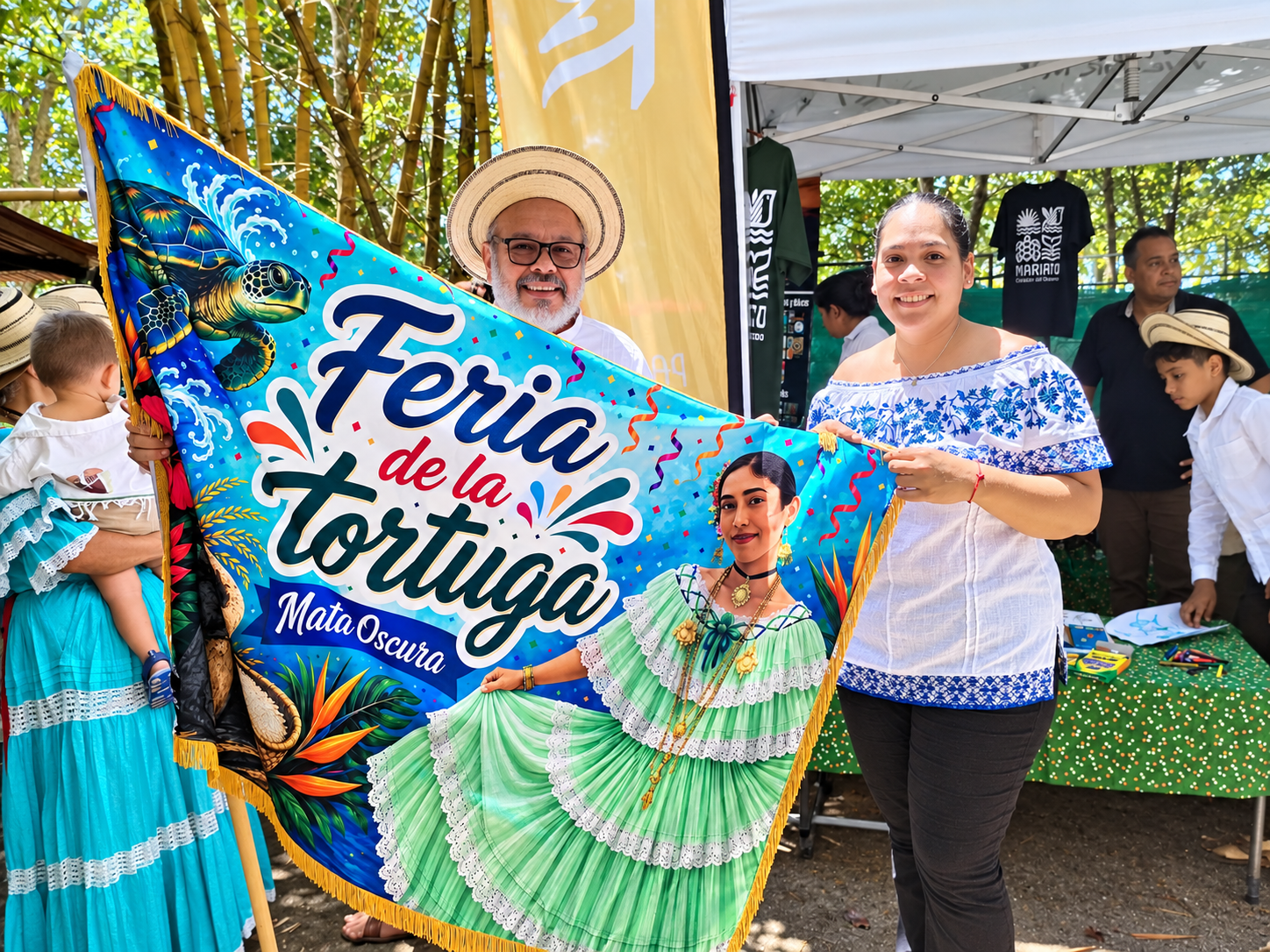
Nesting season was in full swing at Playa Mata Oscura. Over 89 nighttime patrols, the Fundación Agua y Tierra team rescued 102 nests, protecting 9,690 eggs, and released 2,150 hatchlings from threatened sea turtle species.
The project also supported two more community-based enterprises, bringing the total to 16, about 90% of them led by women, and trained about 85 community members in tourism, conservation, and inclusion. A highlight of the quarter was the 10th Sea Turtle Fair, which brought together 14 environmental organizations, 8 cultural groups, and 25 local artisans to celebrate the community behind the work.
Community-Driven Regenerative Economy Through Coral Conservation | Malaysia and Indonesia
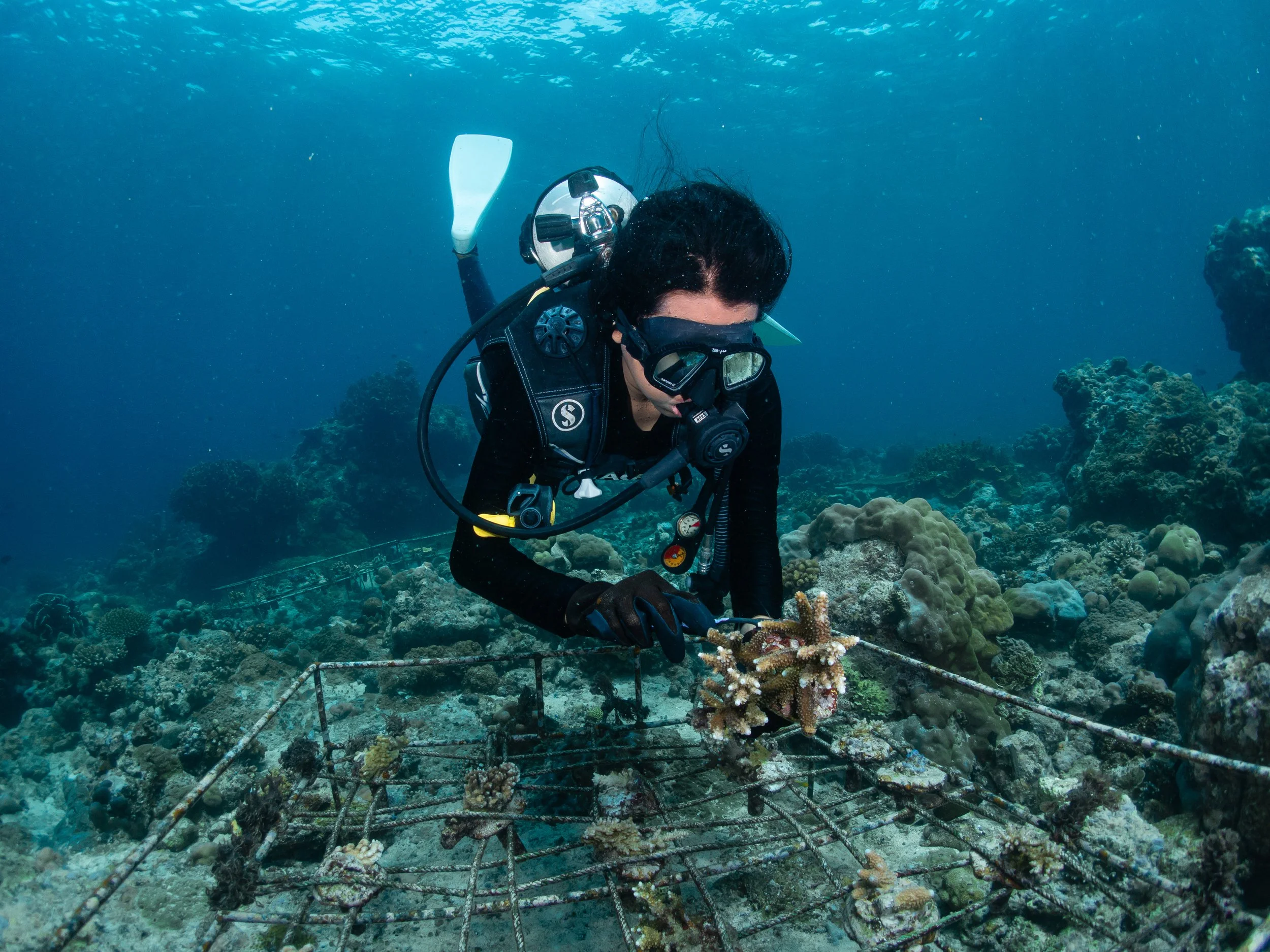
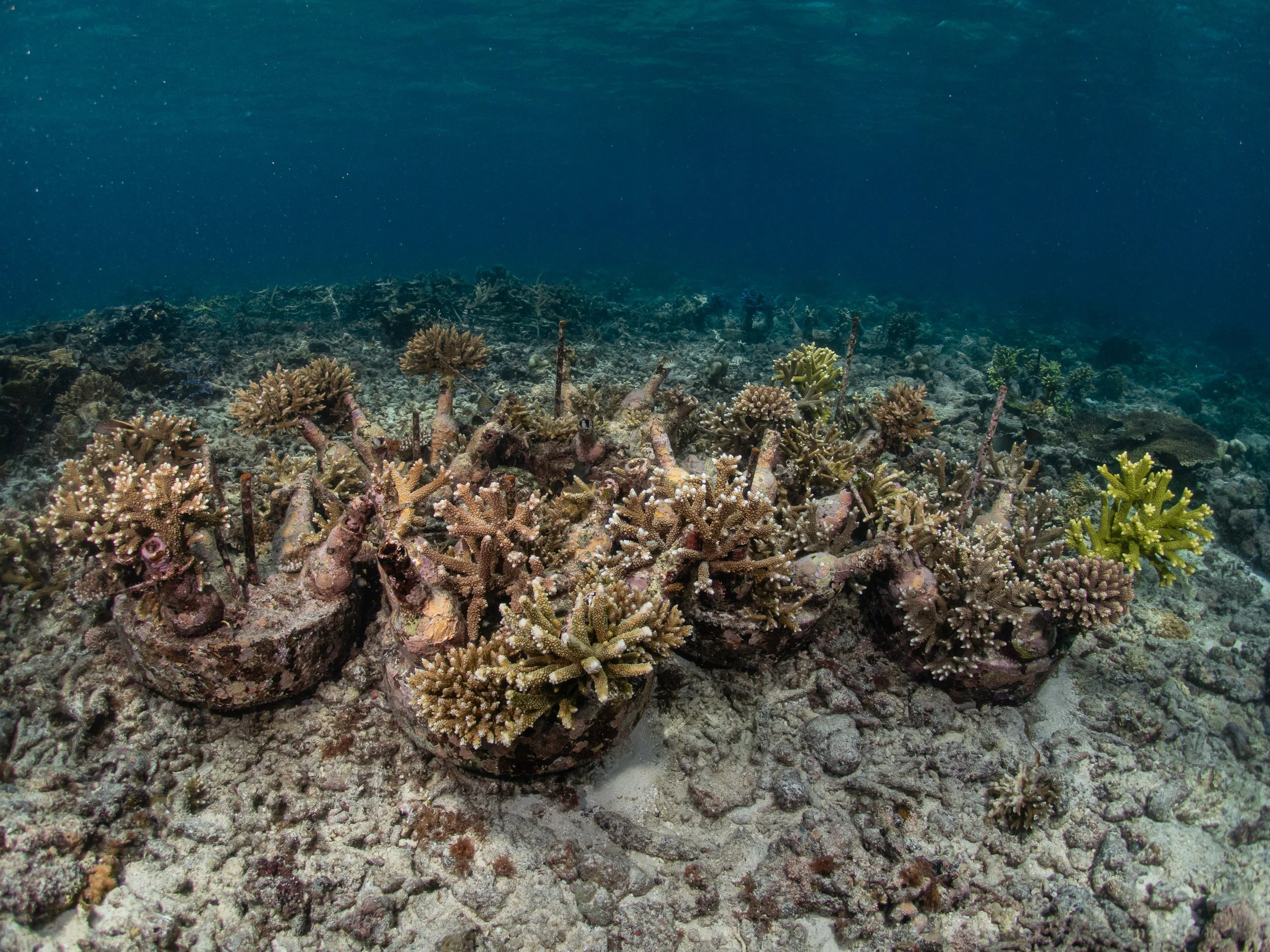
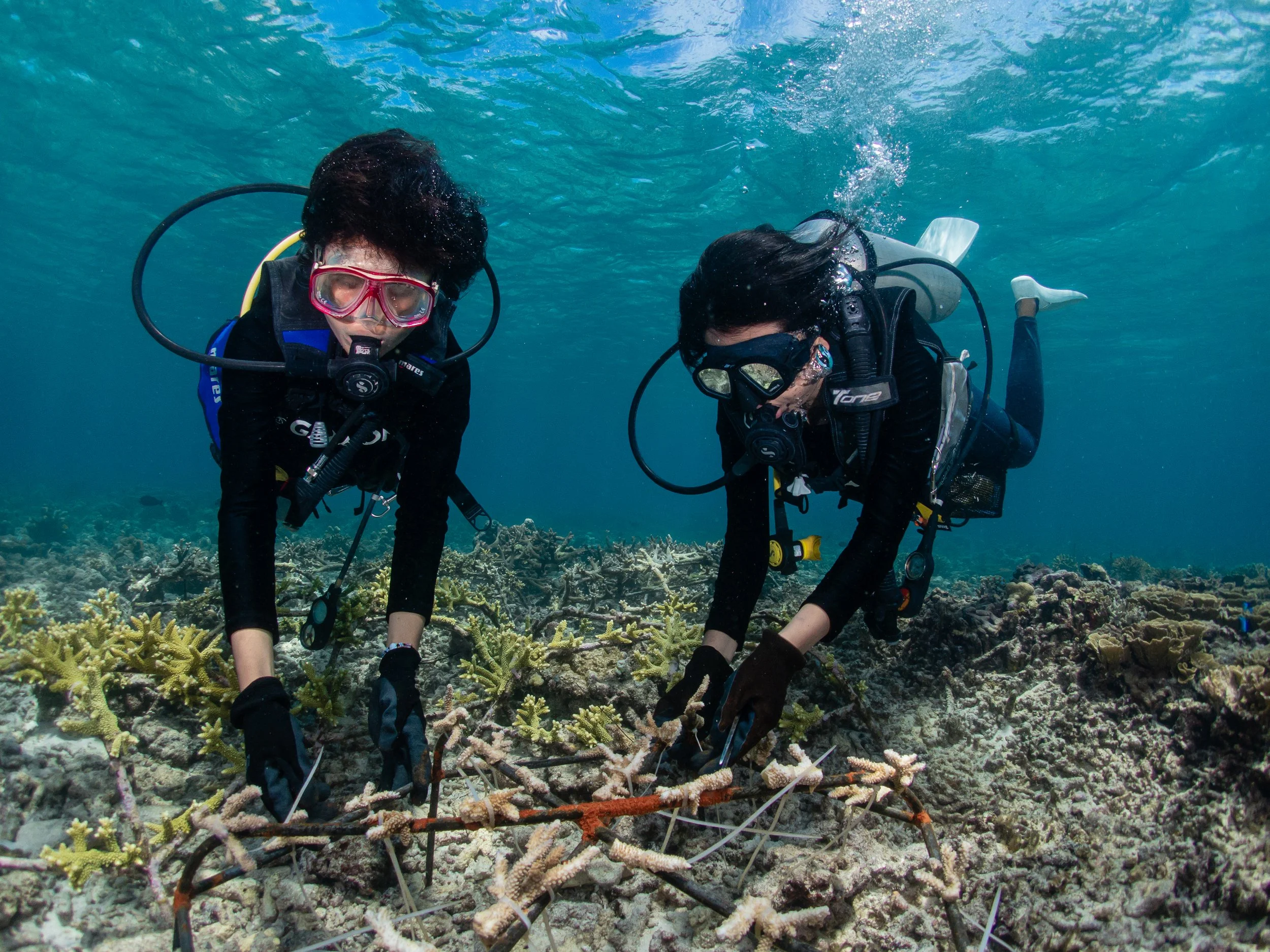
GaiaOne's five trained participants continued their internships across both project sites. In Bira, Indonesia, the team began monitoring coral spawning and observed it in August, September, and October, a sign the site is functioning as a source reef that helps replenish the wider area. One graduate also led two coral courses for guest divers, carrying the training beyond the program itself.
In Kota Kinabalu, Malaysia, the team led 15 workshops and talks reaching 230 people while weather delayed planting. Across both sites, the team planted 2,496 more corals this quarter, bringing the total to 9,719 this year, well past the project's 3,000-coral goal.

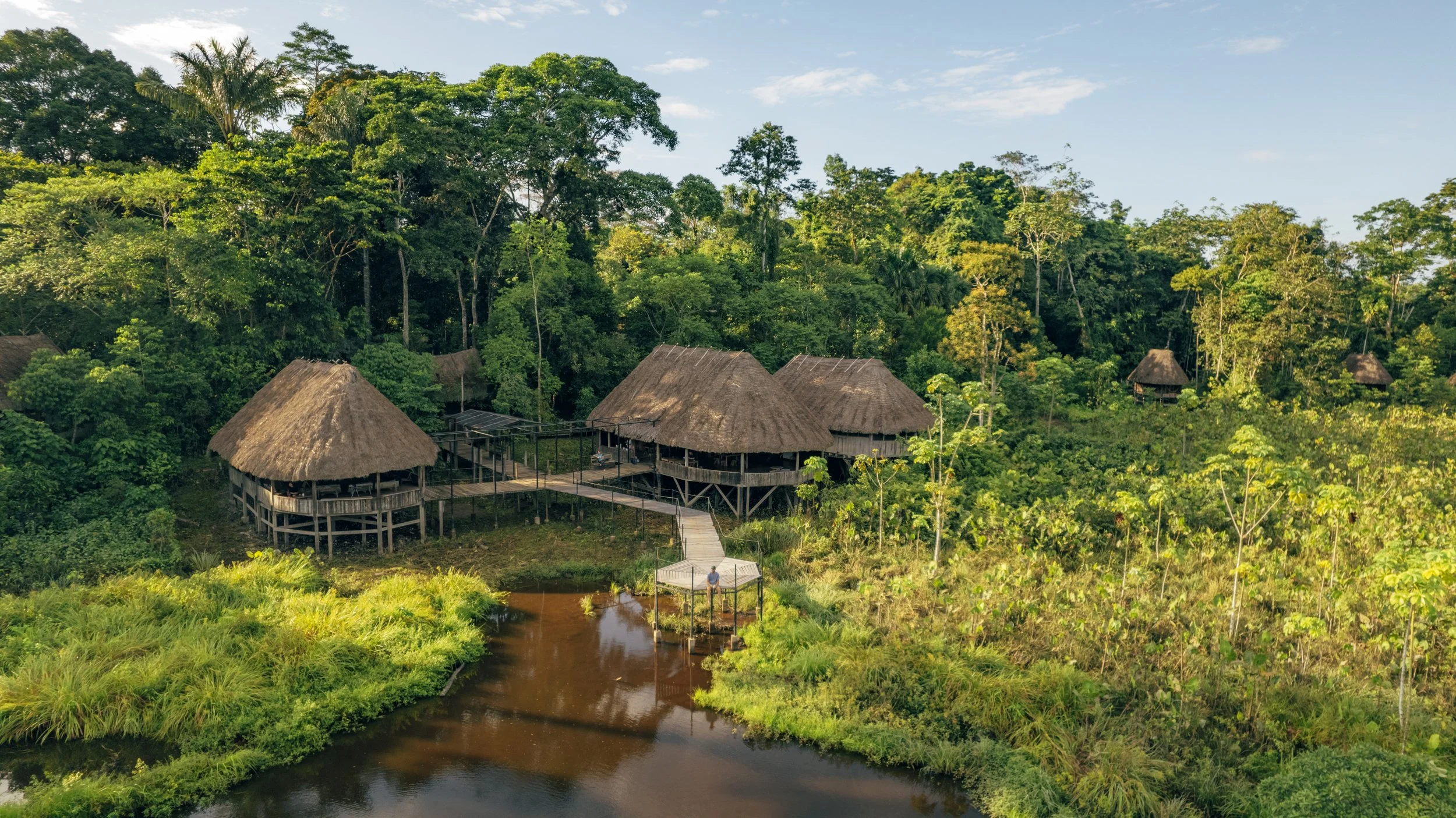
Kapawi Ecolodge | Ecuadorian Amazon
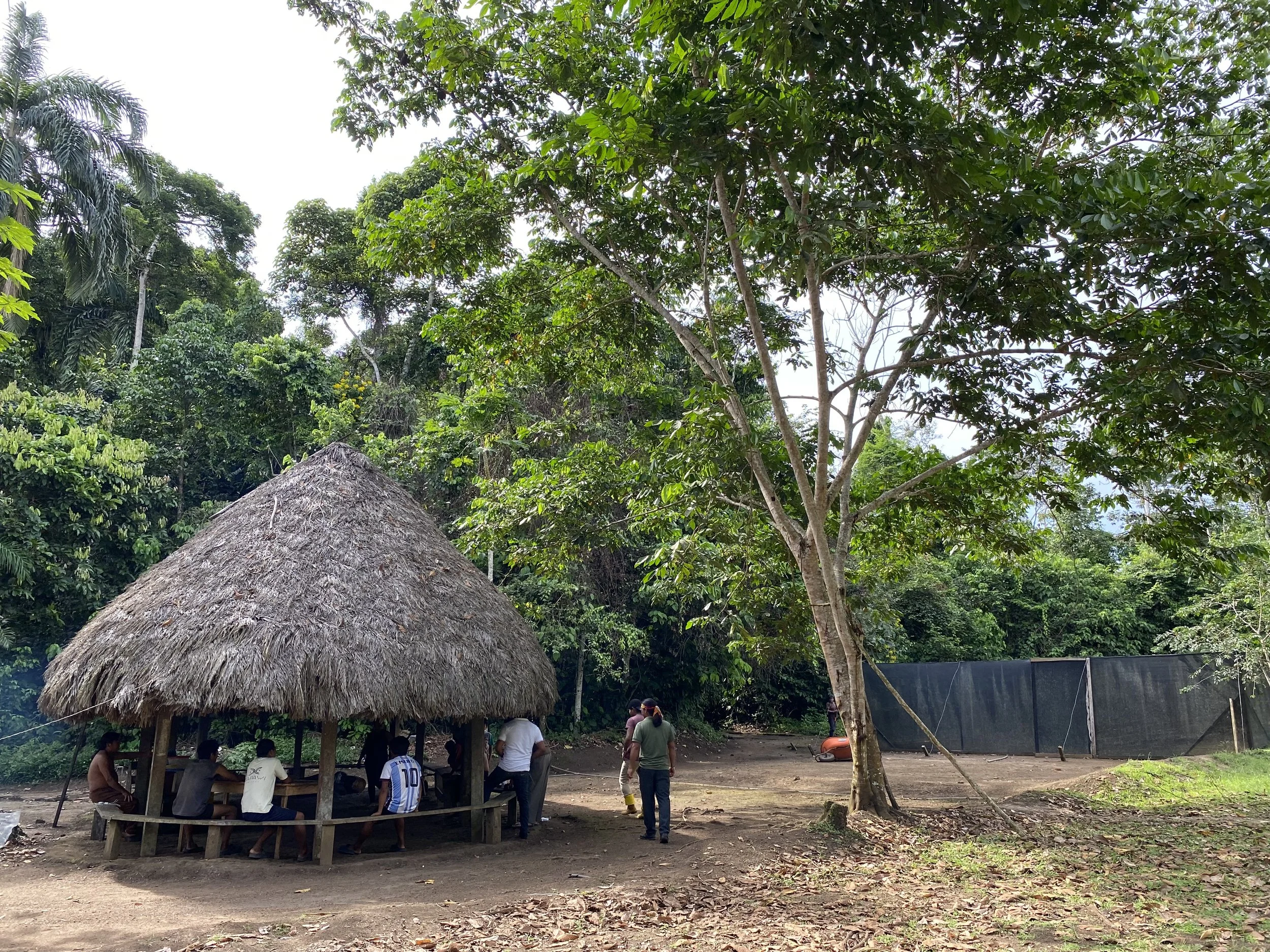
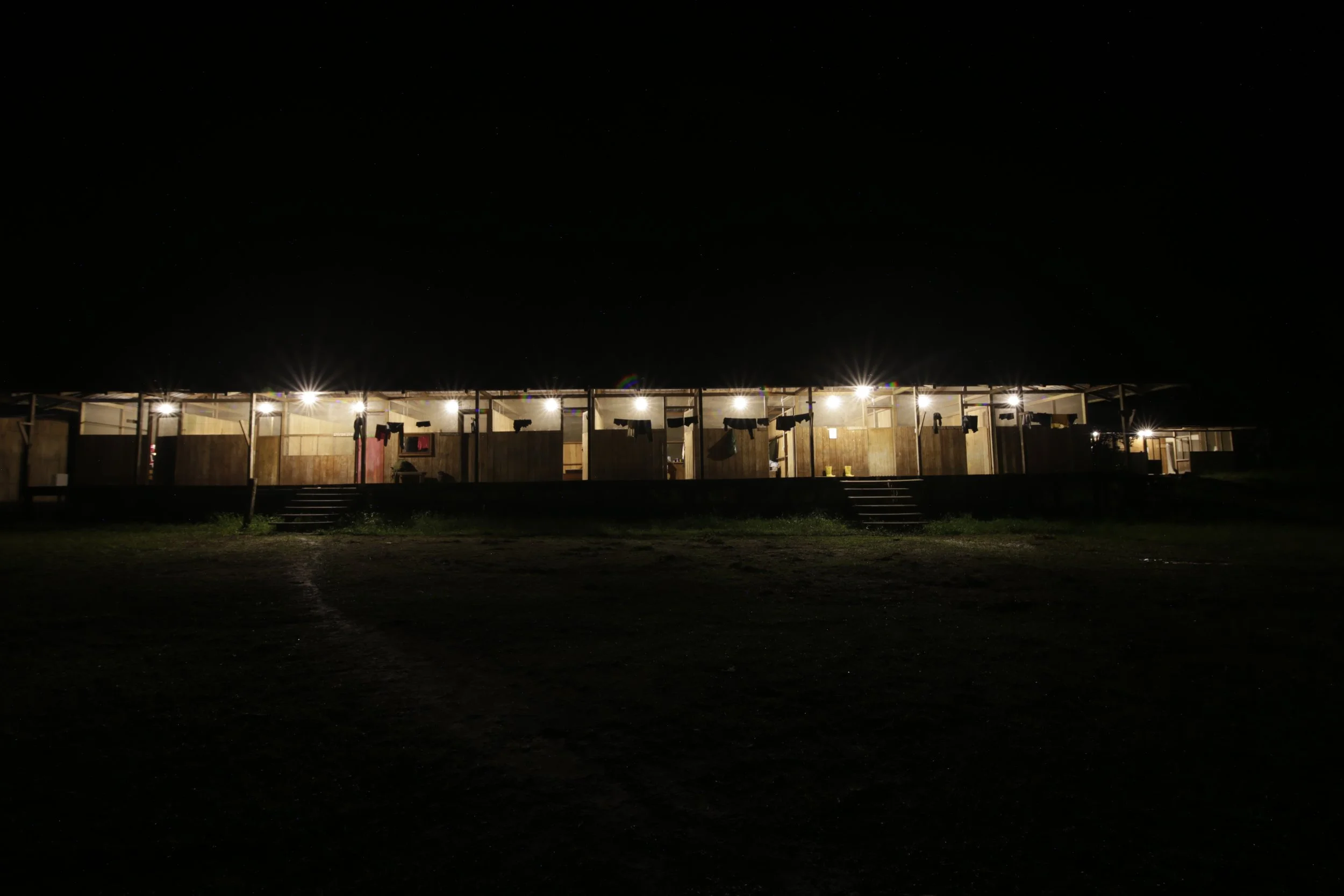
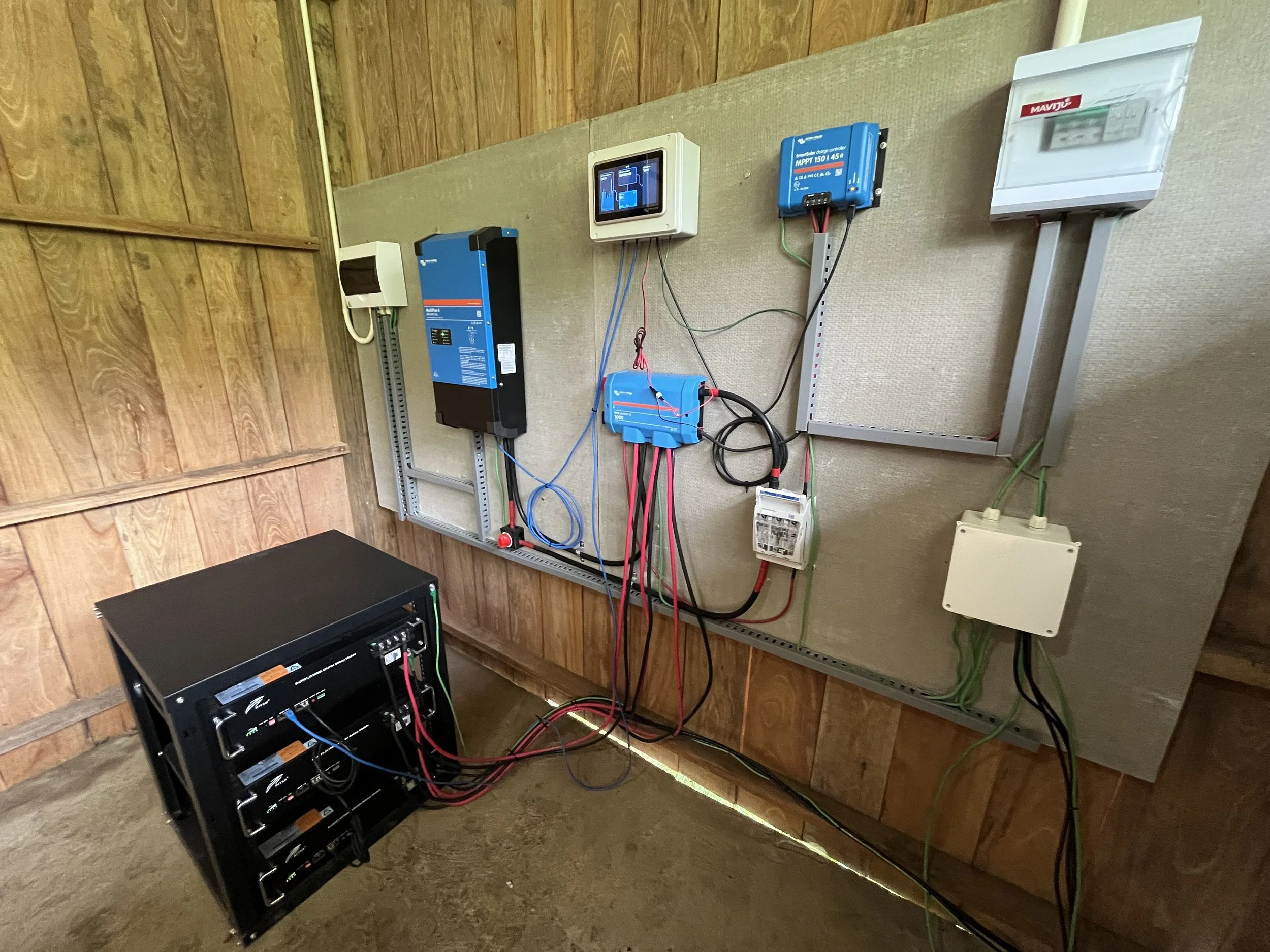
Kapawi Ecolodge completed its new solar power system earlier this year, with trained Achuar technicians leading the installation and earning local income along the way. The system is expected to cut roughly 1,000 gallons of fuel and 20,000 pounds of CO2 each year, while quieting the generator and reducing the risk of fuel spills near wildlife like pink river dolphins.
With the installation complete, the team has been testing the system to make sure it performs as expected. We look forward to sharing the project's final results soon.
Be Part of What Comes Next
Every update in this roundup started with people choosing to protect the place they call home. ATCF exists so the travel community can stand behind them, and there are a few ways to join in:
Become a member. Help choose the projects we support next. Learn about membership
Make a donation. Every gift helps us keep doing this work. Donate
Nominate a project. Know a community-led project that deserves support? See how nominations work