Designing for the Places We Love: Aurora Expeditions and the Douglas Mawson
Across the adventure travel industry, more companies are asking the same fundamental question: how can we continue to offer life-changing access to extraordinary places while actively protecting the ecosystems and communities that make those journeys possible? At the Adventure Travel Conservation Fund, we believe the answers emerge when operators, brands, and partners commit to learning from one another and investing in solutions that put conservation at the center of their business models. This feature story on Aurora Expeditions, highlights one example of how an ATCF Adventure Leader is approaching that responsibility, not as a template to replicate, but as an invitation to explore what thoughtful, behind-the-scenes conservation leadership can look like across our collective community.
For over 30 years, Aurora Expeditions has been taking travelers to some of the most remote corners of the planet: Antarctica, the Arctic, the Northwest Passage, and beyond. Founded in Australia with science and discovery at its core, Aurora has built its reputation on small-ship expedition travel that prioritizes meaningful connection over luxury for luxury's sake.
But access to these extraordinary places comes with profound responsibility. Aurora's conservation approach goes beyond minimizing impact. Through their Ocean Regeneration program, they support local organizations restoring marine habitats and removing ocean-bound waste for every passenger who travels with them. Their citizen science initiatives turn travelers into contributors, collecting data on water quality and wildlife that feeds into global research on climate change and ocean health. And their partnership with Upschool has opened access to environmental education on polar regions for thousands of children worldwide through free courses filmed on their voyages.
There's an inherent tension in polar expedition travel. These are some of the most fragile ecosystems on Earth, places where the evidence of climate change is written in retreating glaciers and shifting ice. And yet, witnessing them firsthand often becomes the catalyst that turns travelers into conservationists. The question Aurora has been asking itself is this: how do you bring people to these places without contributing to their decline?
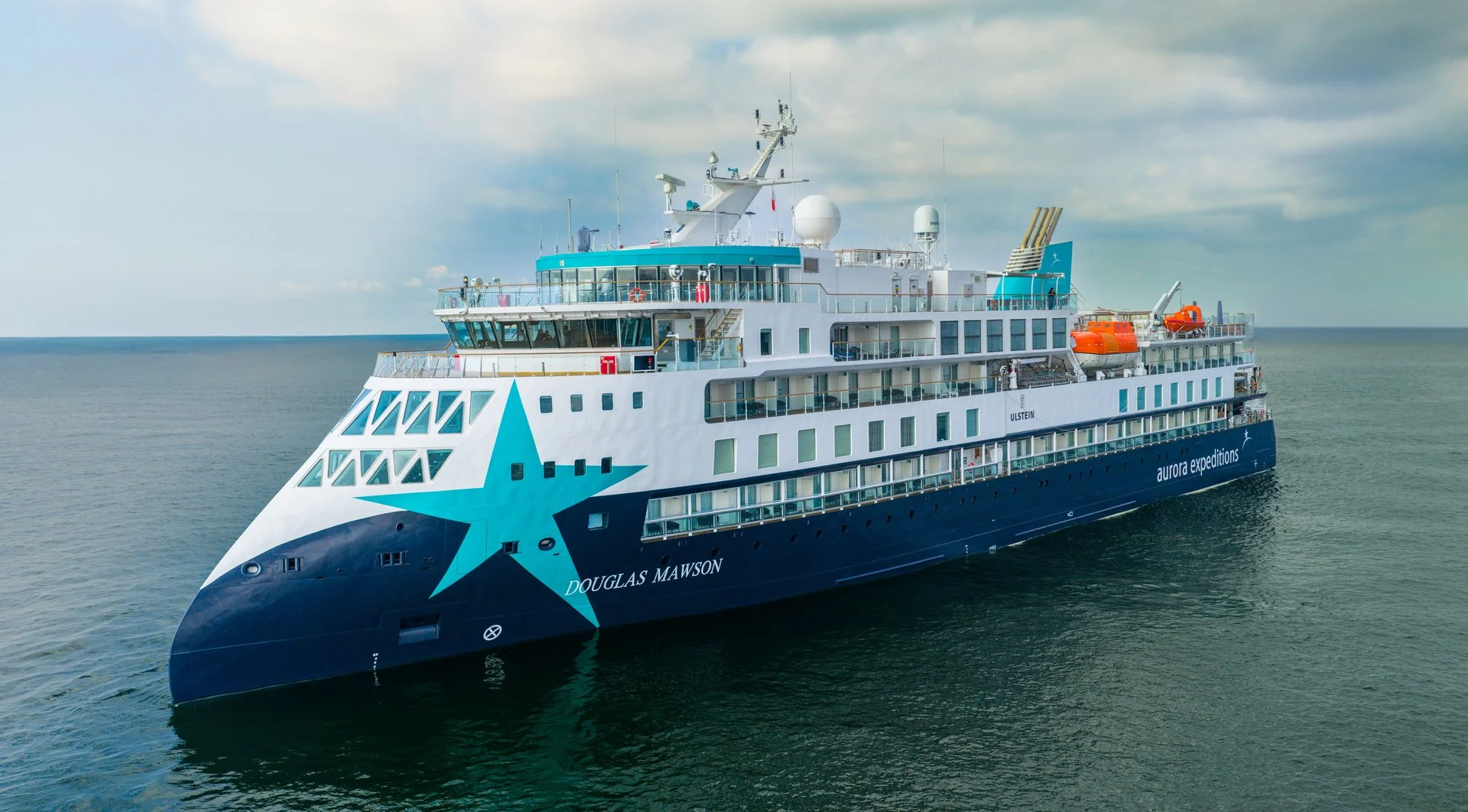
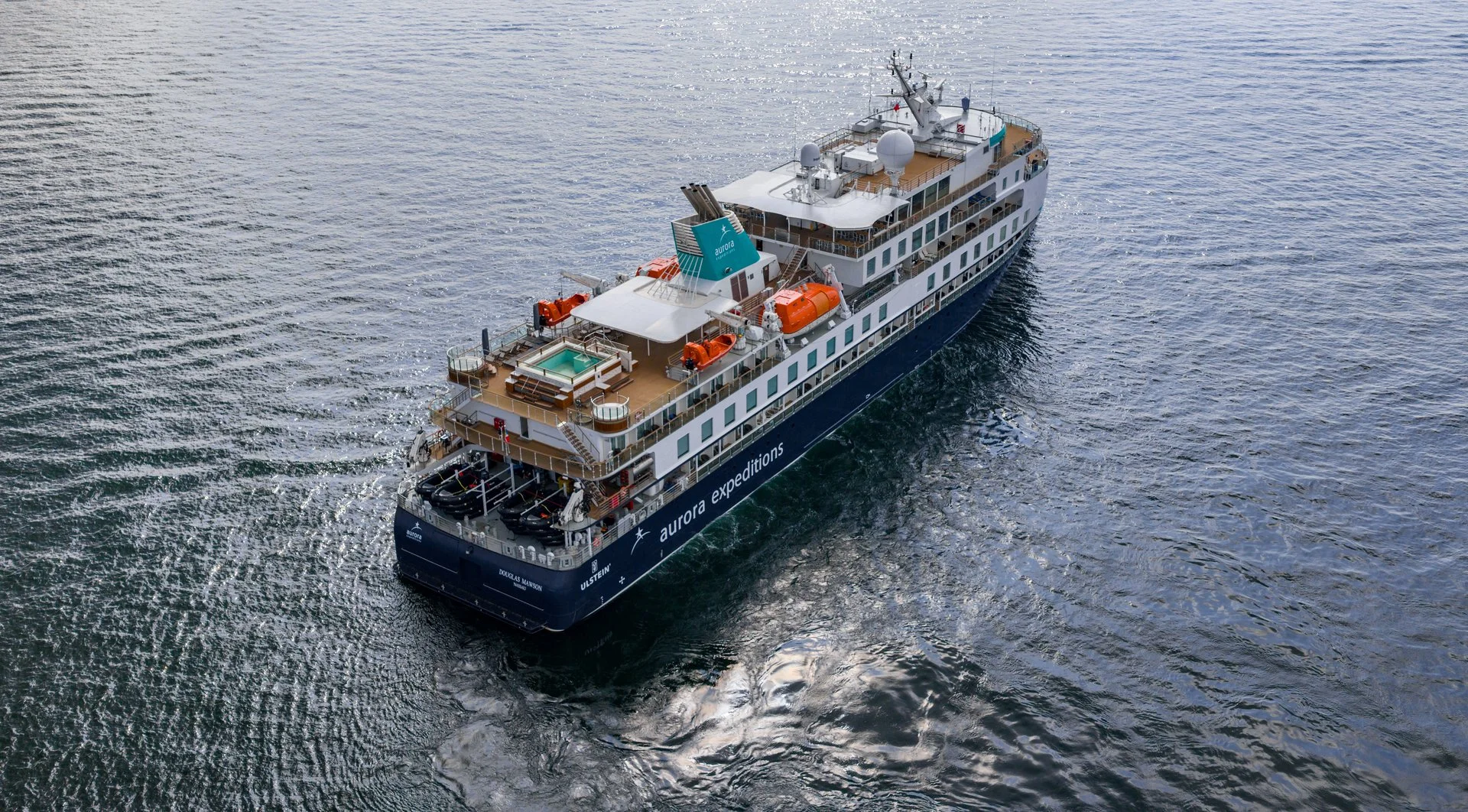
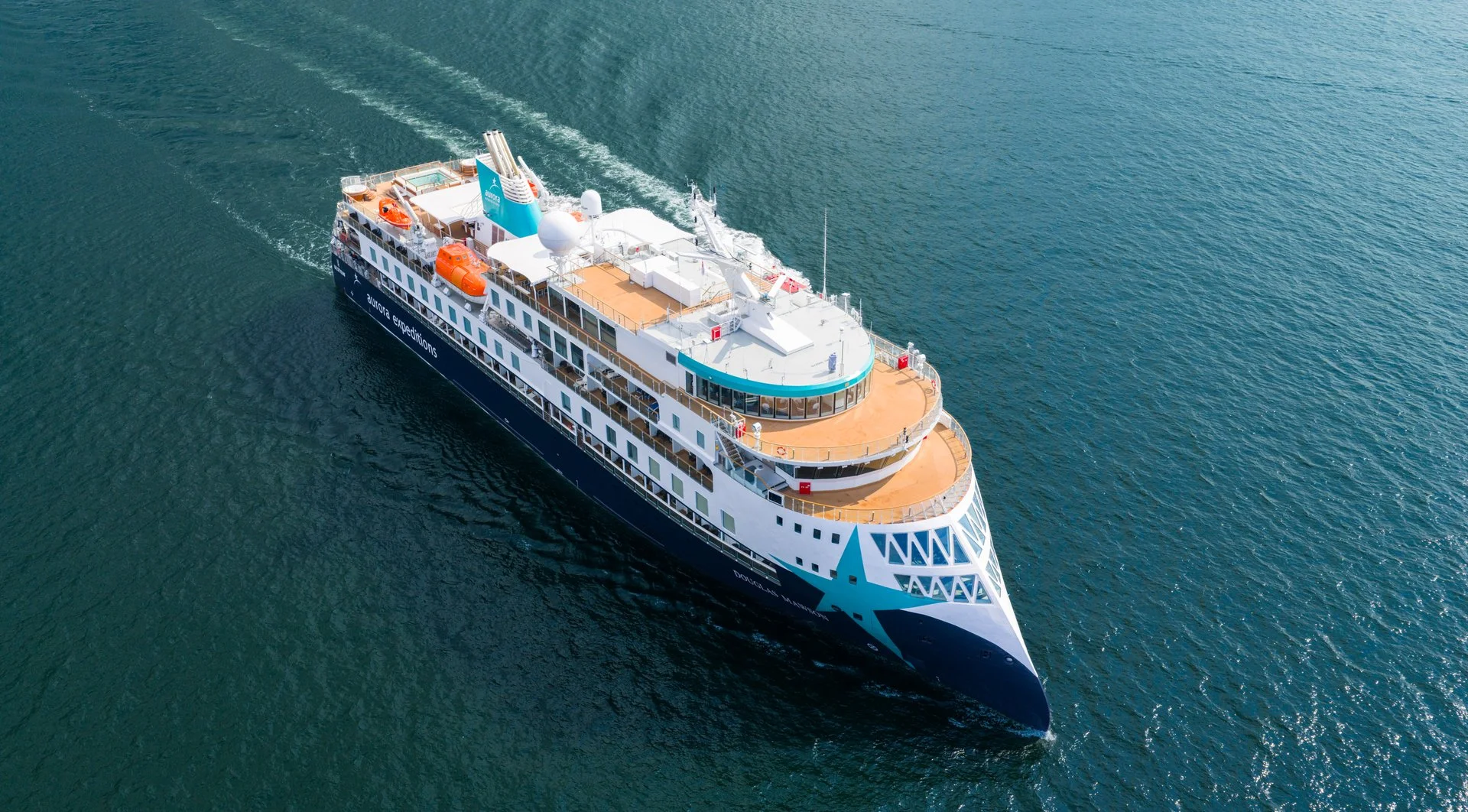
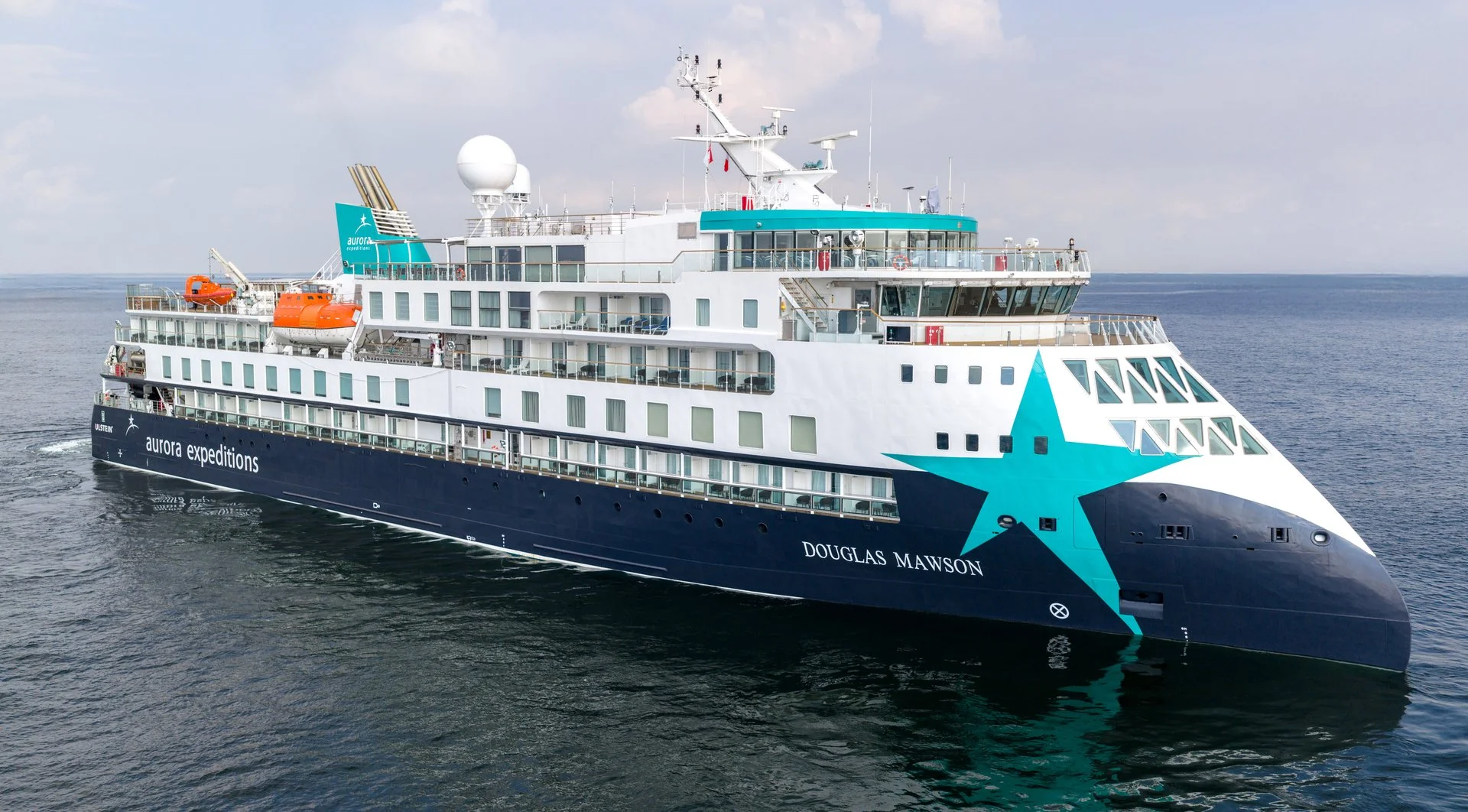
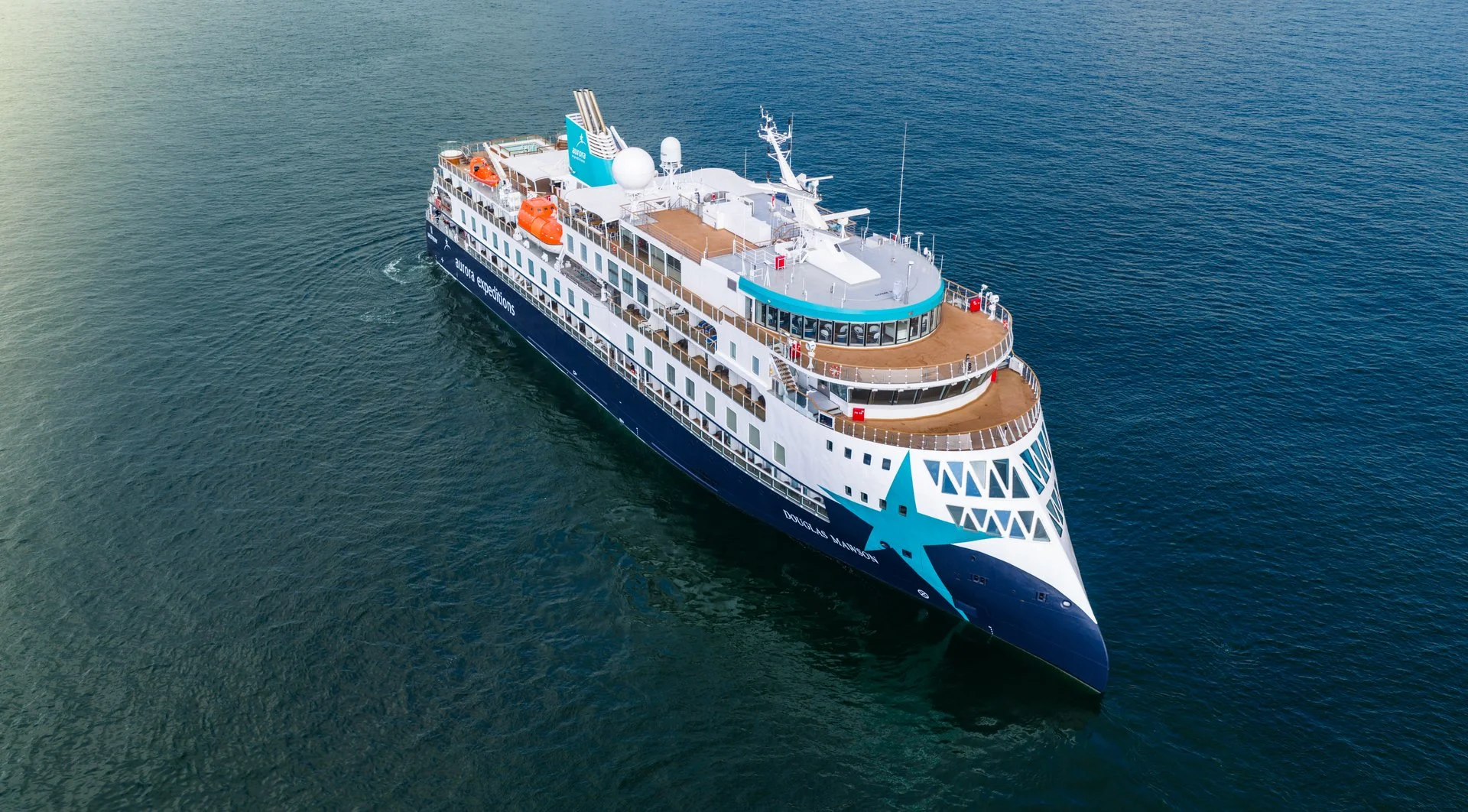
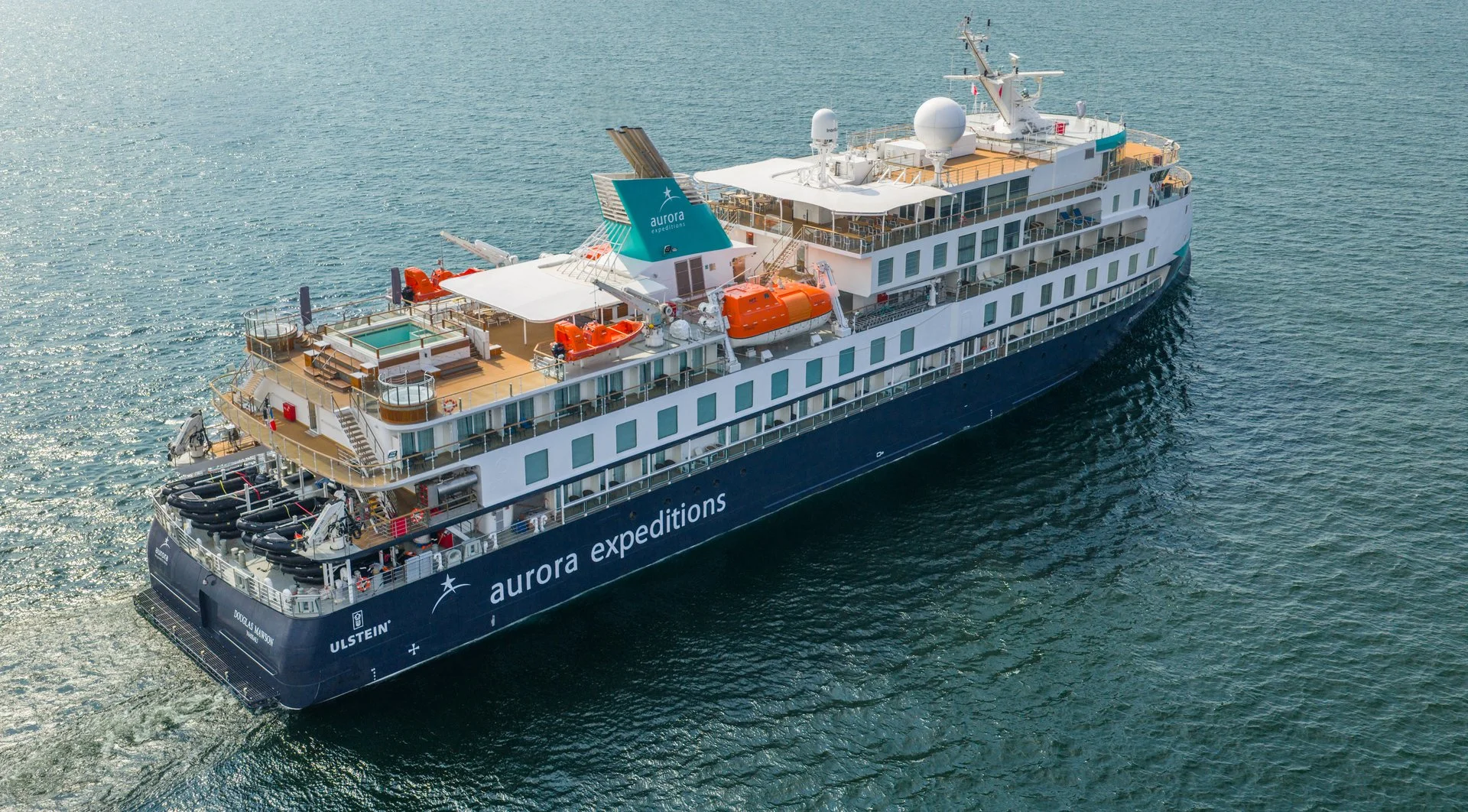
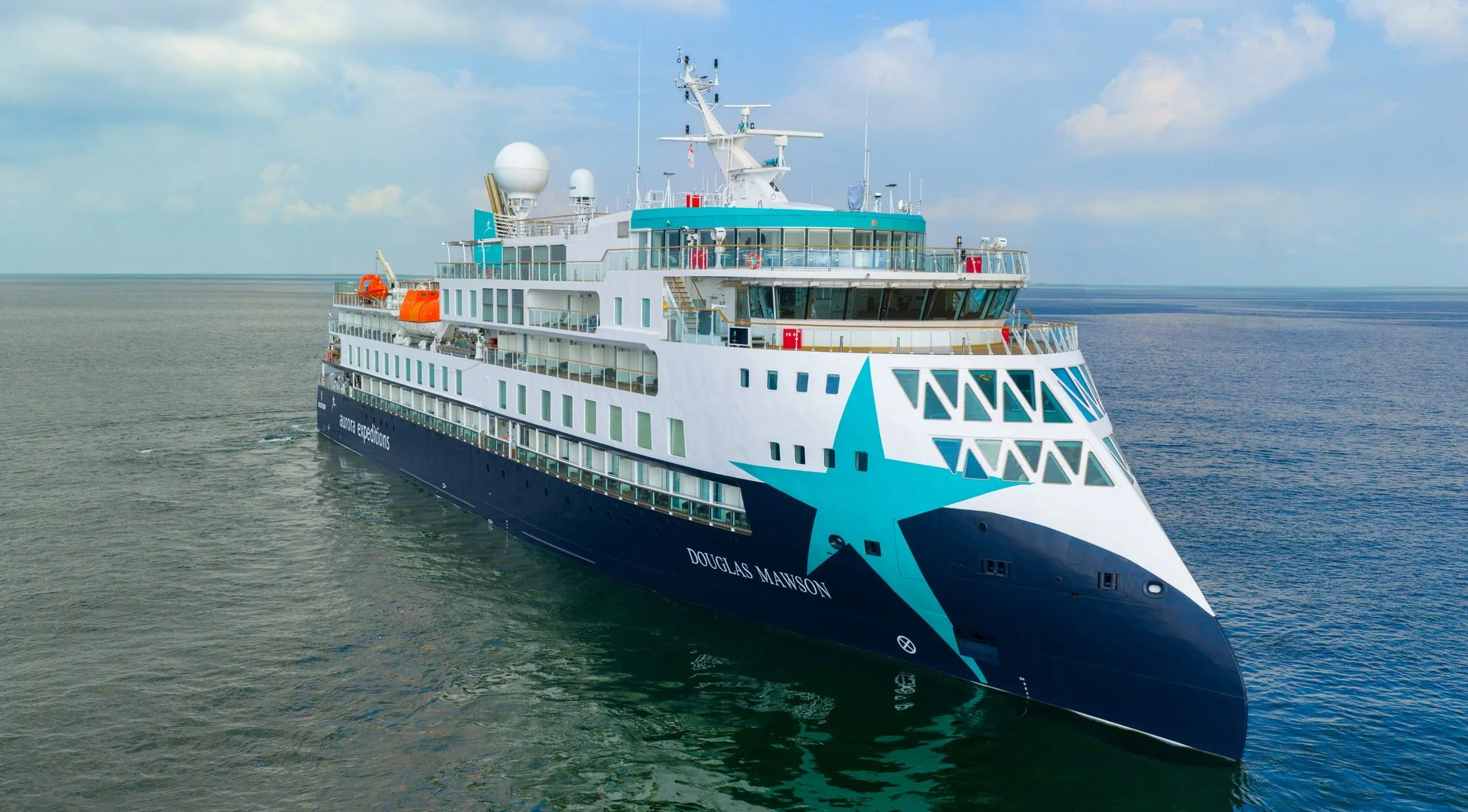
The Douglas Mawson, Aurora's newest ship, is their answer.
Launched in December of 2025 and named after the legendary Australian Antarctic explorer, the Douglas Mawson represents more than an upgrade to Aurora's fleet. It's a statement about what polar expedition travel can be when environmental responsibility is built into every decision, from the engine room to the laundry facilities.
The Details That Matter
Some of the Douglas Mawson's most important work happens where guests will never see it.
Take the microplastic filtration systems installed in partnership with Cleaner Seas. These systems capture microfibers released during onboard laundry before they can enter the ocean. It's not flashy. Passengers won't notice it during their voyage. But it addresses a largely invisible source of marine pollution, one that most ships simply release into the water without a second thought.
"It's a small intervention in daily operations, but one that reflects Aurora's belief that responsibility starts with the details," explains Aurora's team.
The ship is also trialing CounterCurrent's AI-driven routing technology throughout the Antarctic season. The system analyzes real-time data to help optimize routes and decision-making, supporting more efficient operations while reducing unnecessary fuel use. In polar regions where conditions change rapidly and every decision matters, it's a practical example of how technology can quietly support both safety and environmental responsibility.
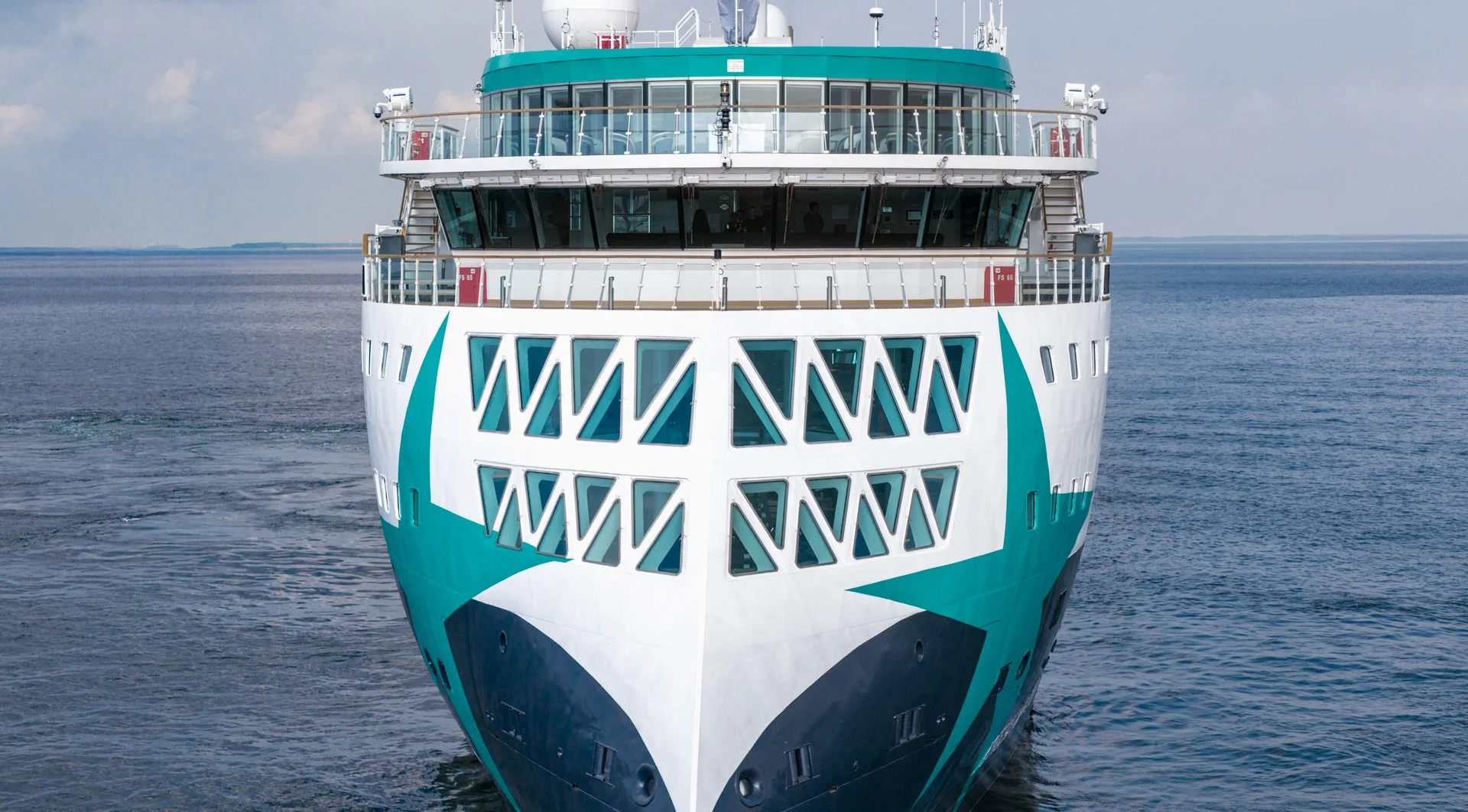
Even the Douglas Mawson's distinctive X-bow design serves a purpose beyond aesthetics. Engineered by Ulstein to cut through waves more smoothly, it improves stability and comfort while reducing slamming and resistance, which in turn supports more efficient fuel use in challenging polar conditions. The ship works with the environment, not against it.
Access Meets Accountability
For Aurora, operating the Douglas Mawson has reinforced something they've long believed: the future of expedition travel must balance access with responsibility.
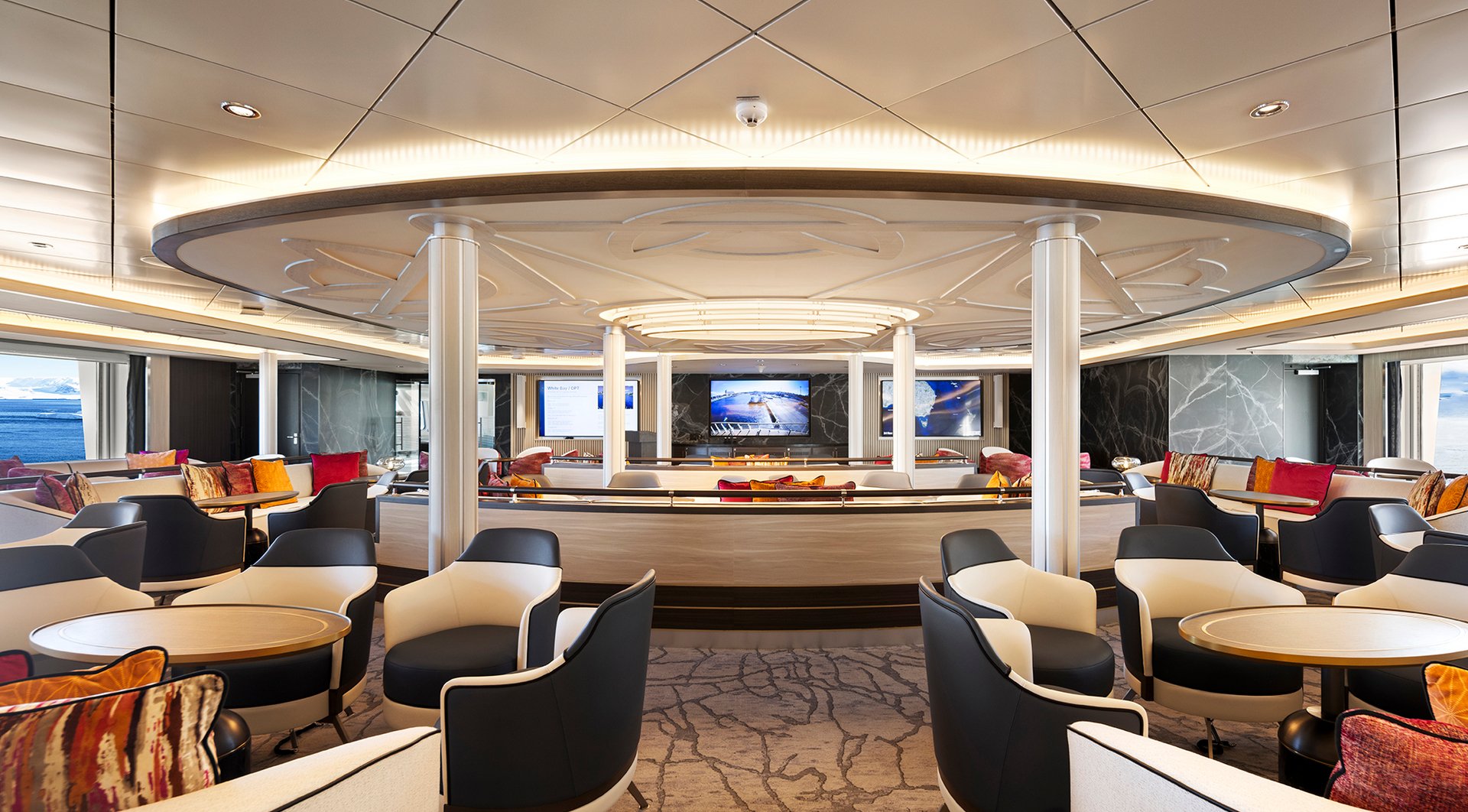
The ship enables greater participation in citizen science, giving travelers the chance to contribute to real research on climate change and ocean health. It supports deeper storytelling around conservation. And it creates more meaningful engagement between expeditioners, scientists, and guides, the kind of exchanges that turn a trip into a transformative experience.
"The Douglas Mawson represents where Aurora is headed as a company," Madeline Georgiadis, Director of PR & Communications shares, "continuing to invest in innovation that supports responsible exploration across all the regions we operate, while staying true to our heritage as an Australian-founded expedition operator with science and discovery at our core."
Aurora joined the Adventure Travel Conservation Fund because they understand that no single company can tackle these challenges alone. Conservation requires collective action, shared values, and a willingness to invest in solutions even when guests might never notice them.
The Douglas Mawson is proof that responsible travel isn't about what's most visible. It's about putting the right systems in place behind the scenes, so we can operate carefully, minimize our footprint, and look after the places we're privileged to visit, voyage after voyage.