#LIVETHEWILDPLEDGE
THE OCEAN LEGACY FOUNDATION
VANCOUVER ISLAND NORTH: KWAKWAKA’WKW TERRITORY
2025 GRANTEE | $15,000 | NOMINATED BY TARTANBOND COMMUNICATIONS & ADOPTED BY WORLD NOMADS
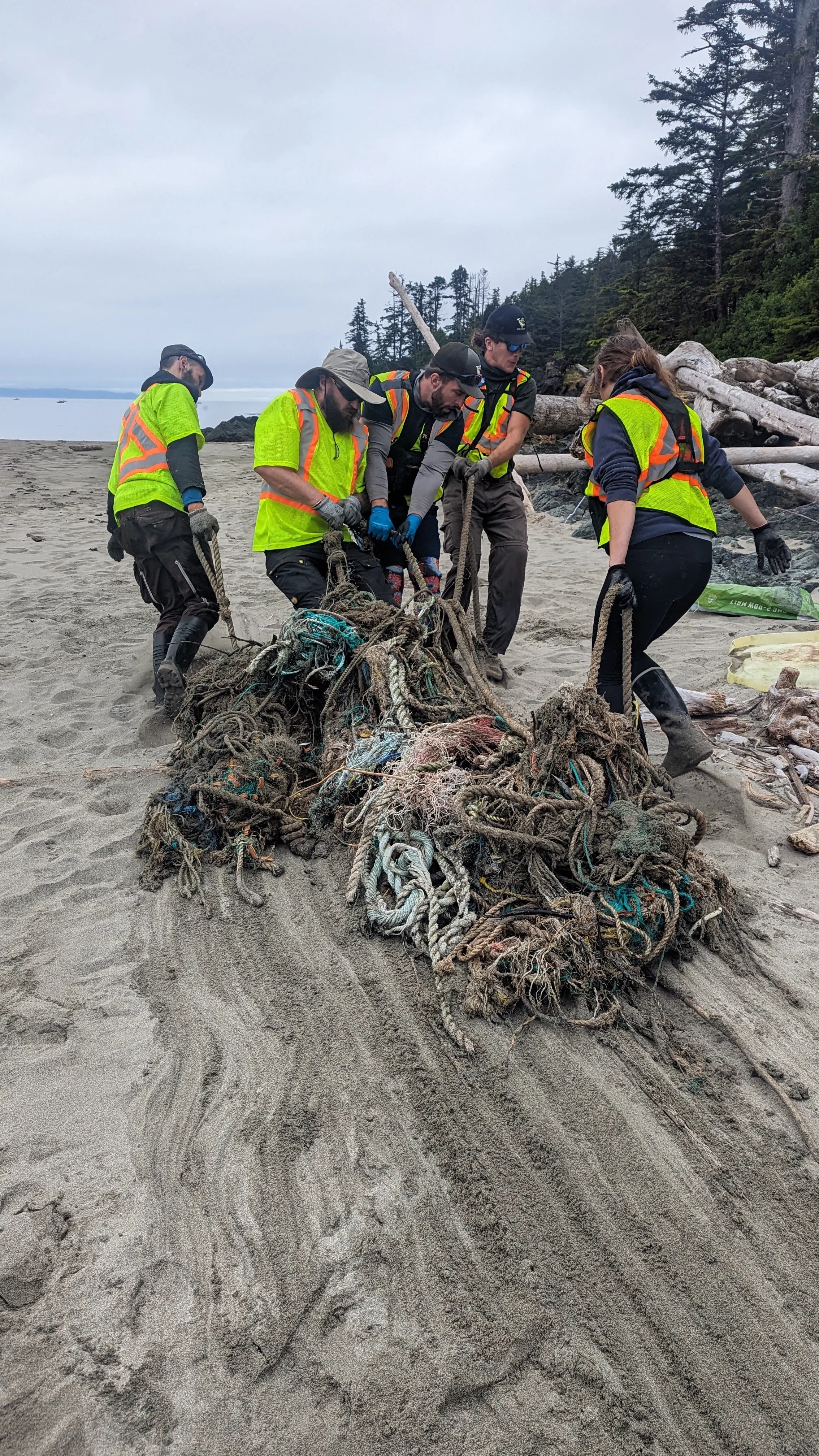
Ocean Legacy Foundation is a Canadian nonprofit with over a decade of experience removing marine debris from some of British Columbia's most ecologically sensitive coastlines. Their #LiveTheWildPledge project turns adventure travelers into active conservation participants, engaging beach hikers on Northern Vancouver Island in the hands-on work of collecting ocean plastic from remote shores within Kwakwaka'wakw First Nations Territory and returning it to established drop-off and recycling infrastructure. This voluntourism initiative connects visitors to local communities and businesses while building a collective, measurable response to one of the region's most persistent environmental challenges.
The Issue:
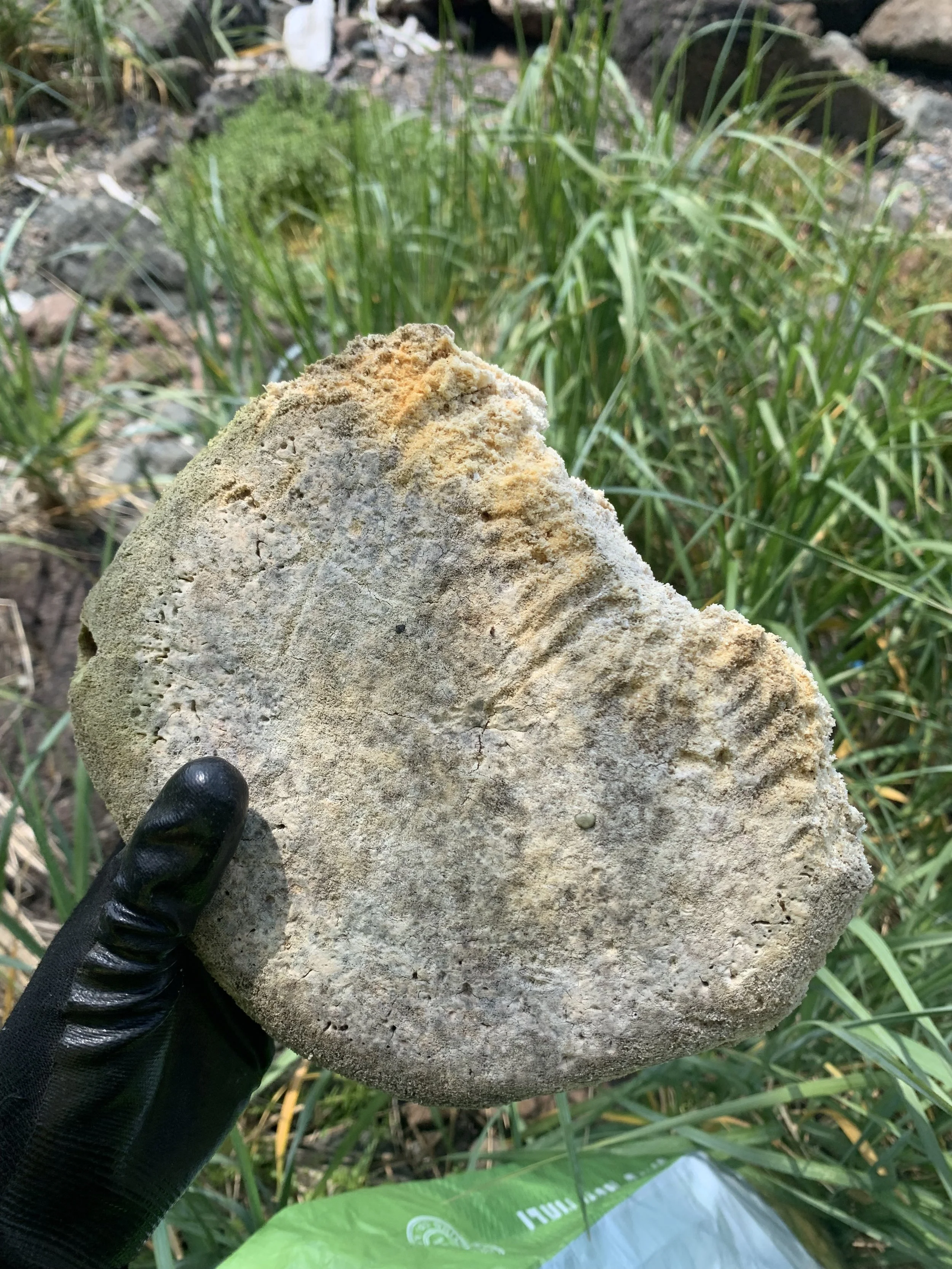
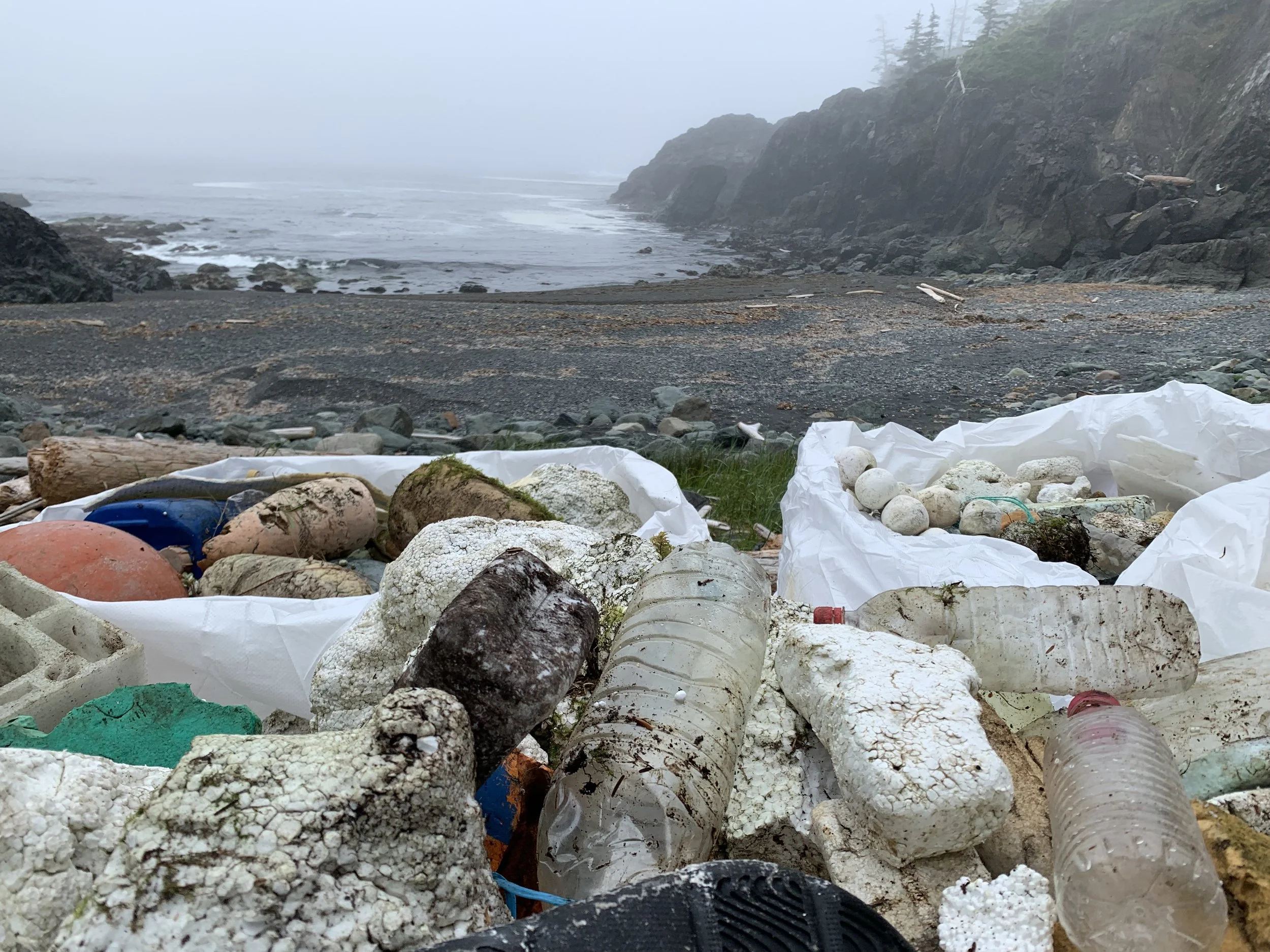
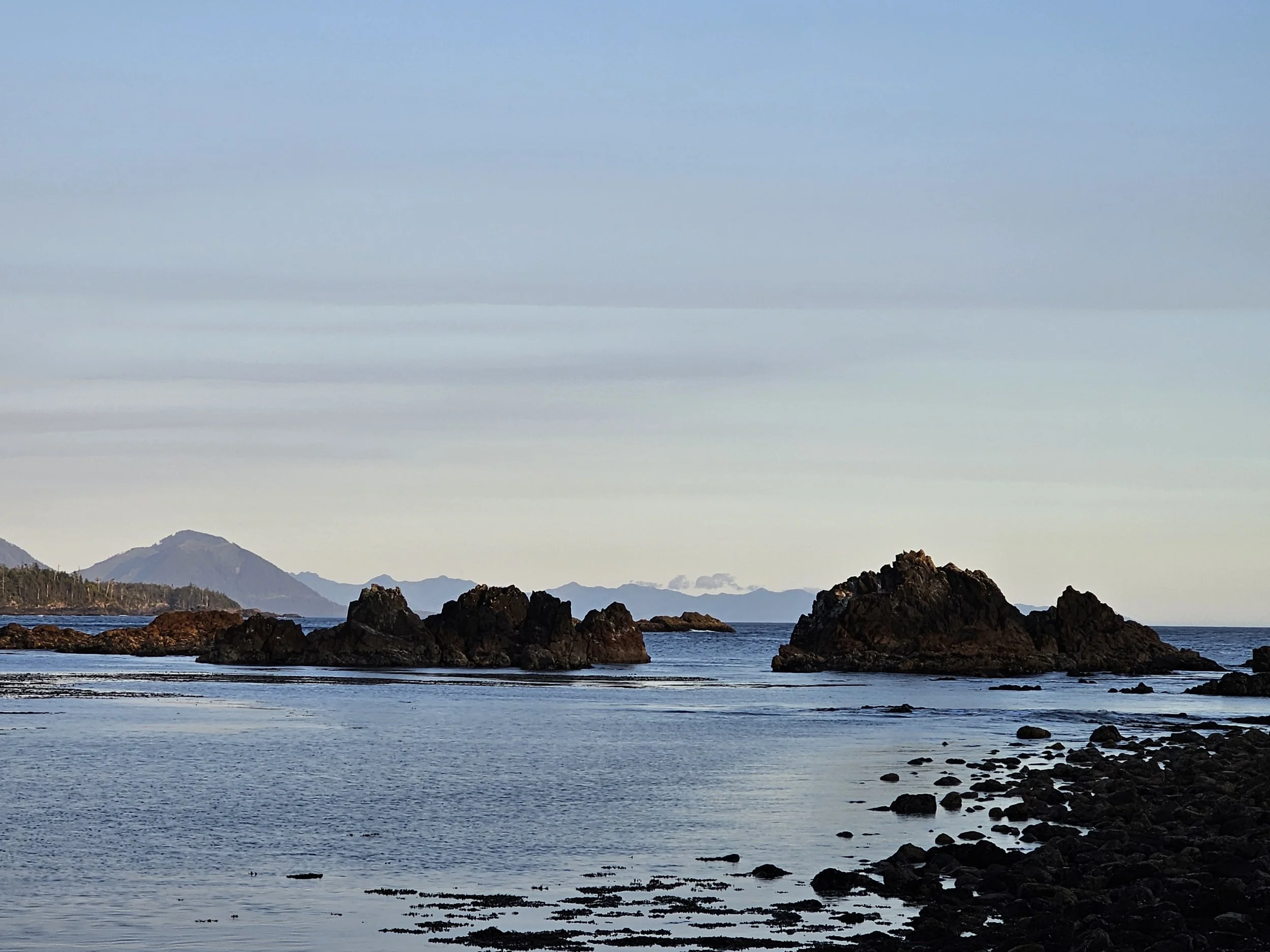
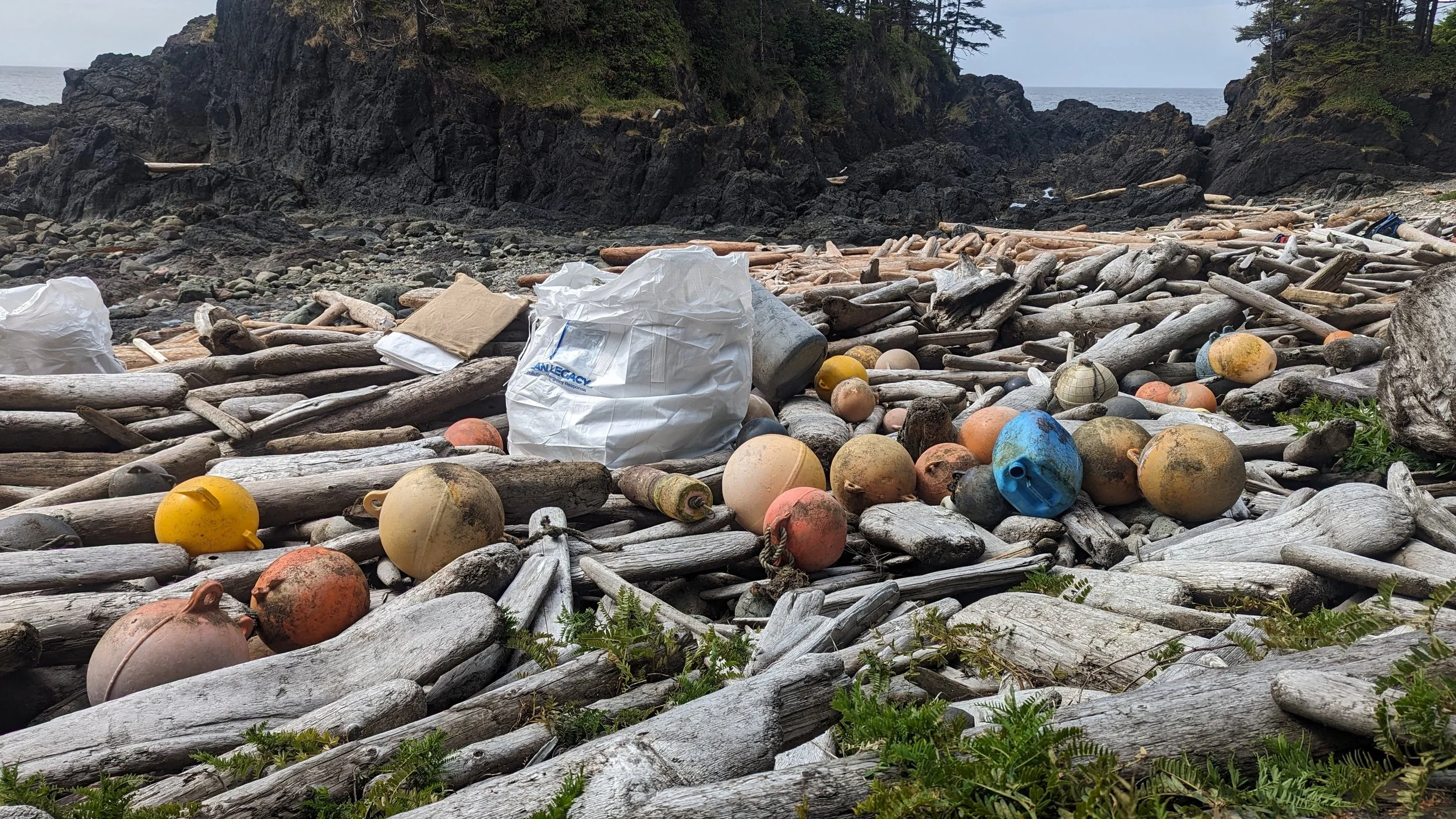
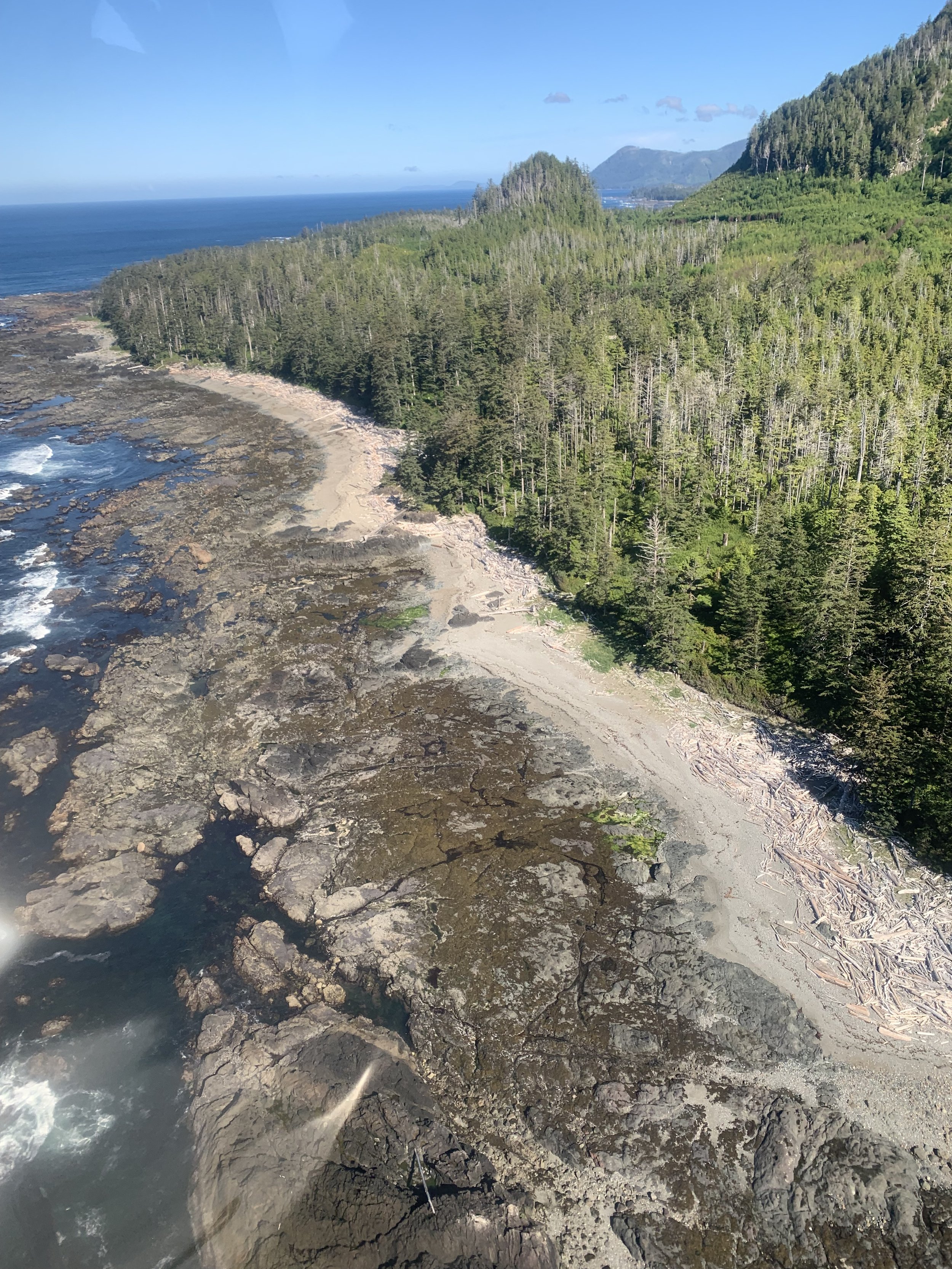
Northern Vancouver Island's remote coastal beaches are among the most spectacular in Canada, drawing tens of thousands of adventure travelers each year to provincial parks like Cape Scott, Raft Cove, and Brooks Peninsula. But these same shorelines are under serious and growing pressure from marine debris. Abandoned, lost, and discarded fishing gear accumulates along the coast, and the fallout from the 2021 Zim Kingston container spill, in which 109 shipping containers were lost off the coast of Victoria, continues to deposit materials on beaches years later. The volume of plastic pollution on these shorelines has more than doubled in the last five years.
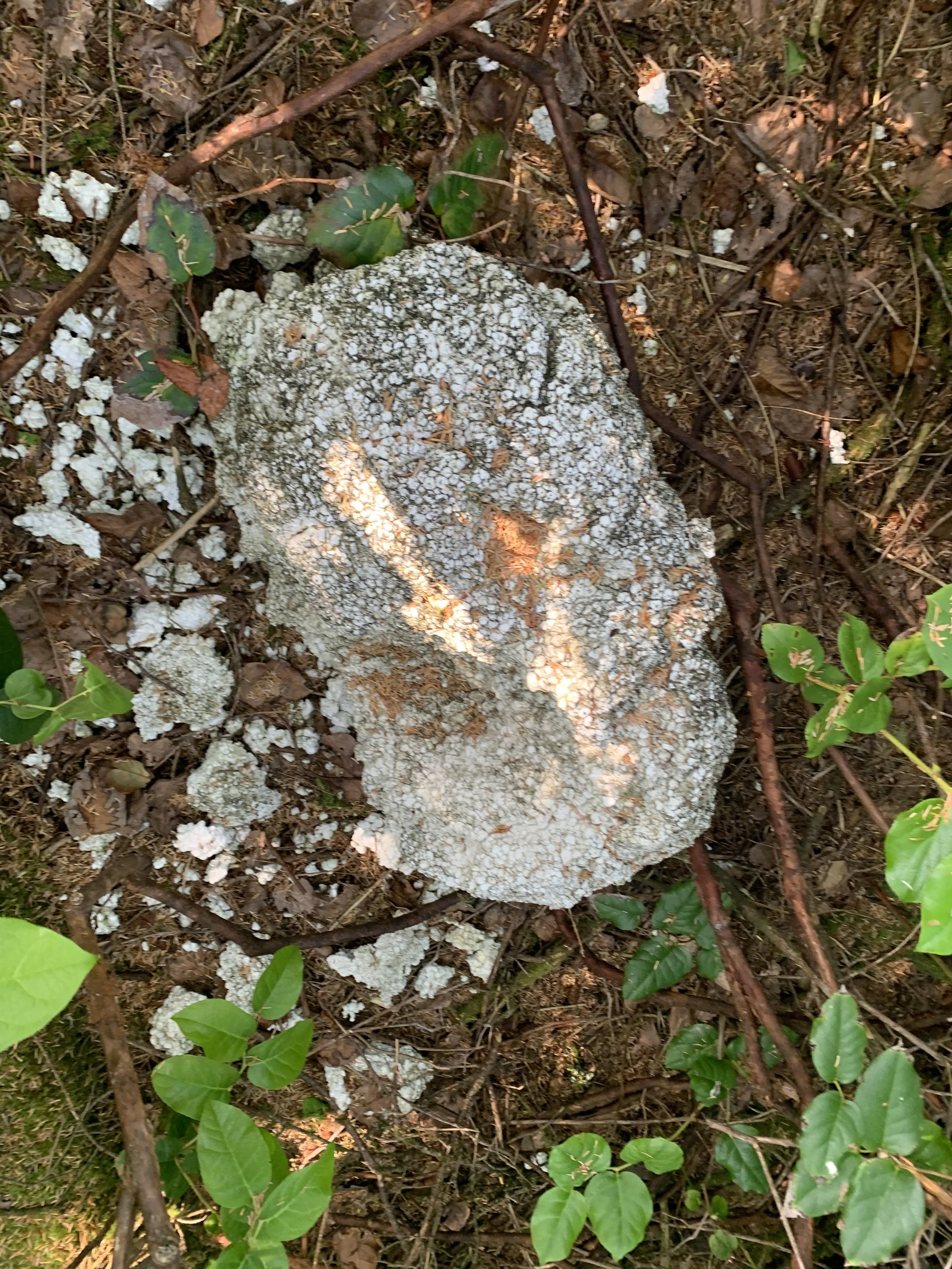
The consequences reach well beyond aesthetics. Native flora has been buried and suffocated under anthropogenic debris. Eelgrass beds, which are critical to salmon repopulation, are at risk of degradation. Wolves have been documented eating plastic packaging and food remnants washed ashore from the spill. And as microplastics break down into the ecosystem, the long-term damage to local biodiversity compounds. Despite ongoing cleanup efforts, the scale of the problem continues to outpace the capacity of any single organization to address it alone, and the hundreds of thousands of visitors who travel to this region each year represent an largely untapped force for conservation.
Grant Award Use:
ATCF funding will support the infrastructure needed to make the #LiveTheWildPledge accessible, functional, and scalable across Northern Vancouver Island. This includes the installation of collection bins and educational signage at eight drop-off locations throughout the region, the purchase of 2,000 custom organic cotton collection bags to distribute to participating beach hikers, and the design and printing of campaign materials for visitor centers and local businesses. Funding will also cover the labor required to install and maintain collection sites, train visitor center staff, manage regular debris pickups, sort and transport collected materials to Ocean Legacy's existing recycling facility, and track and report on the weight and type of debris removed. A portion of the grant will support mileage costs for monthly site visits across the region. Together, these investments will give travelers a clear, simple, and rewarding way to participate in coastal conservation during their visit, while ensuring that every bag of debris collected makes it into the right hands.
What Would a Successful Project Result In?
A successful project means that adventure travelers arriving on Northern Vancouver Island leave it measurably better than they found it. Ocean Legacy Foundation aims to engage 2,000 participants in the #LiveTheWildPledge during the campaign's first season, collectively removing 20,000 pounds of marine debris from remote coastal beaches within Kwakwaka'wakw First Nations Territory. Success also looks like a network of local businesses actively participating in the reward program, debris reliably moving through established drop-off points into Ocean Legacy's recycling infrastructure, and a digital campaign that extends the reach of the conservation message well beyond the island itself. Perhaps most importantly, a successful first season establishes a repeatable model, one that runs each summer, grows its community of participants year over year, and demonstrates that tourism and conservation don't have to be in tension with each other.
Voices From The Community:
TBD
-
![]()
Jan-Mar 2025
TBD
-
![]()
Apr-Jun 2025
TBD
-
![]()
July-Sept 2025
TBD
-
![]()
Oct-Dec 2025
TBD