
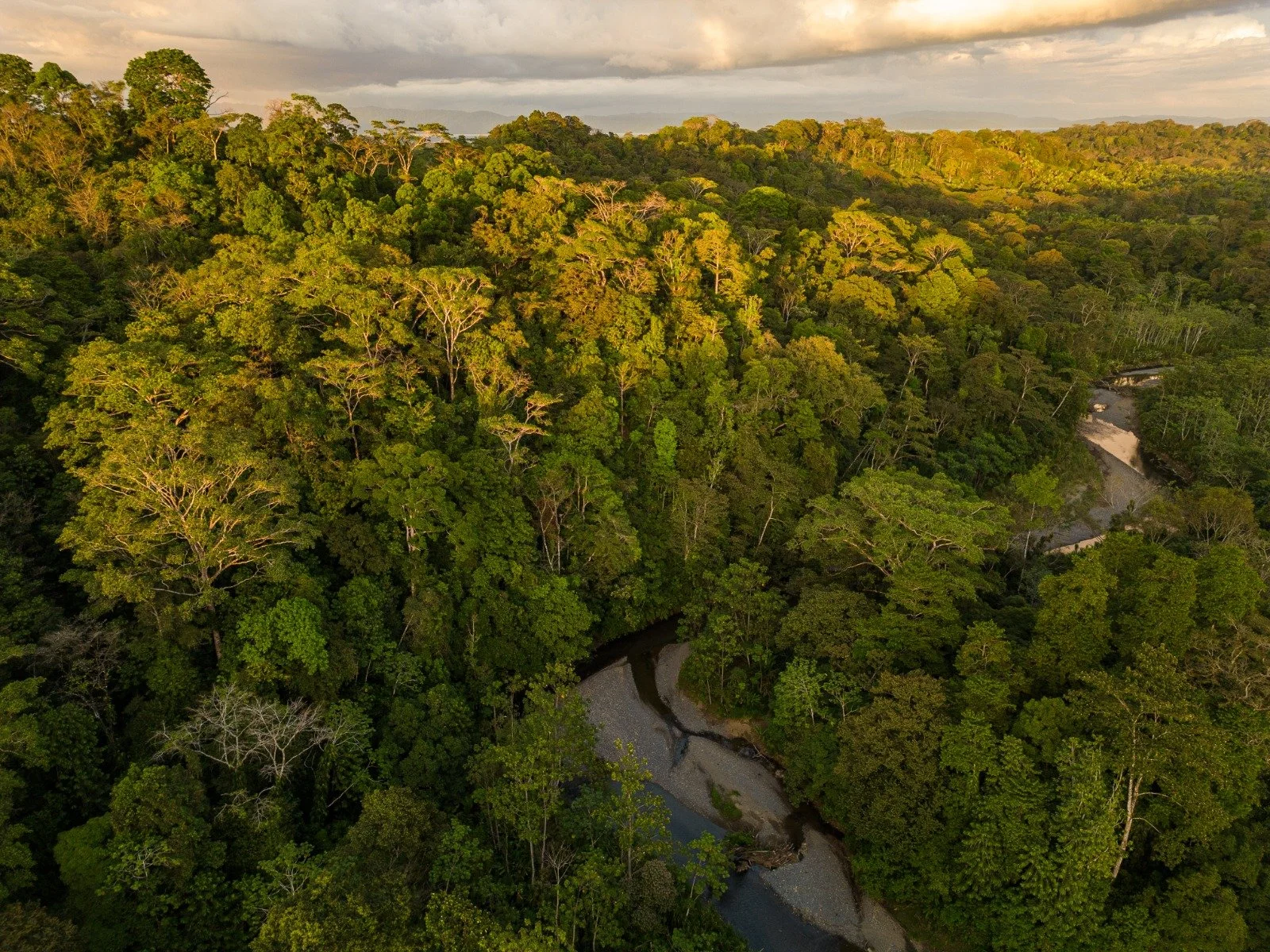
BUILDING COSTA RICA'S FIRST NATIVE STINGLESS BEE SANCTUARY | BIOSUR FOUNDATION/ LANDS FOR BIOLOGICAL DIVERSITY
PUERTO JIMENEZ, OSA PENINSULA, COSTA RICA
2026 BALLOT FINALIST | NOMINATED BY BACKROADS

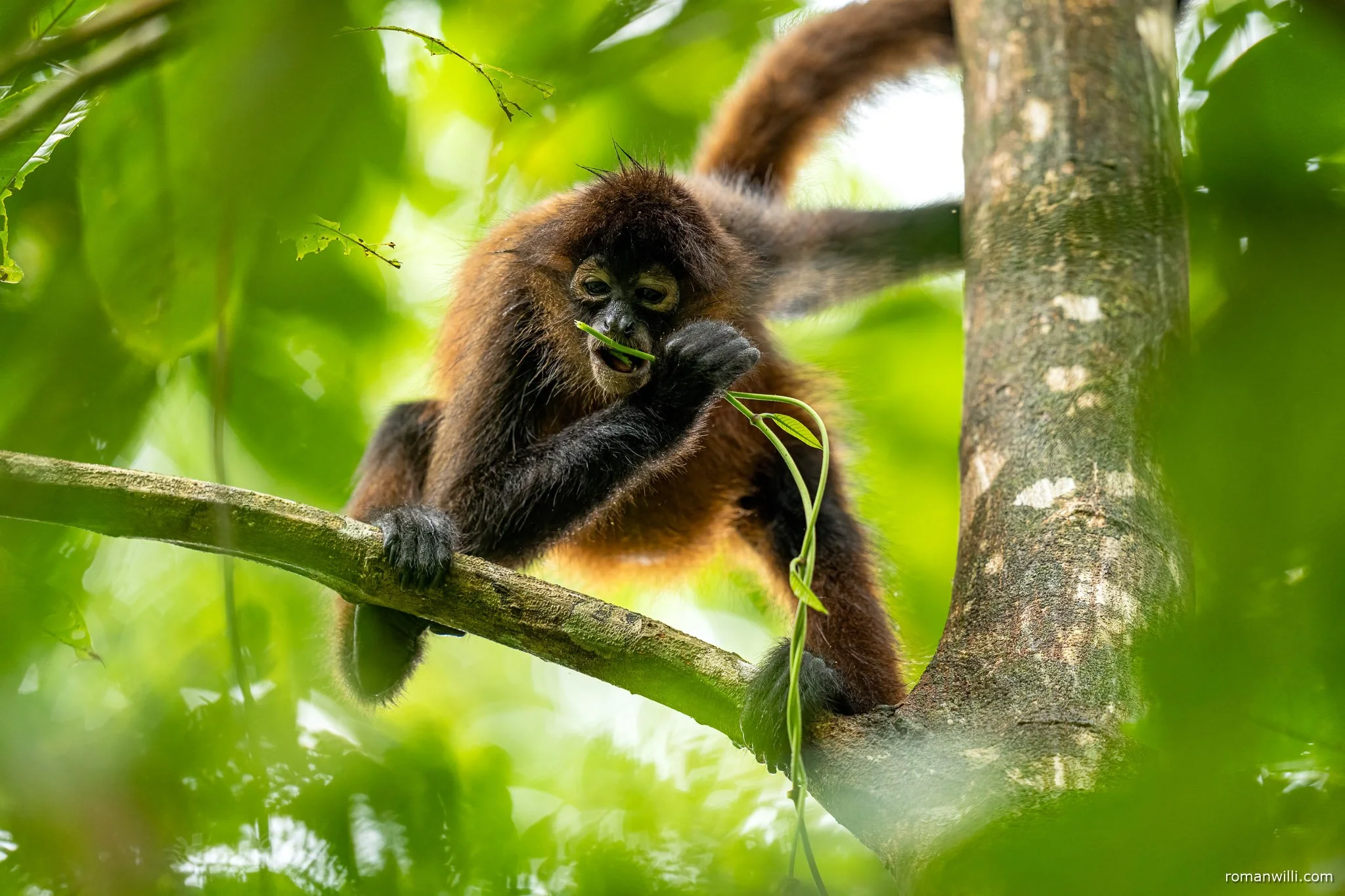
This project will establish the Osa Peninsula's first native stingless bee sanctuary, a wildlife canopy viewing platform, and an immersive environmental education program to protect essential rainforest pollinators while creating new ecotourism experiences. By linking conservation with tourism, research, and community enterprise, the project generates sustainable income for local guides and women entrepreneurs while helping protect one of the world's most biodiverse regions.
The Issue:
The Osa Peninsula is experiencing increasing biodiversity loss due to habitat degradation, deforestation, agricultural expansion, wildlife trafficking, and agrochemical pollution, while conservation efforts are limited by a lack of sustainable economic alternatives for local communities. As a result, forests are often worth more when cleared than when protected. The project addresses this root cause by creating tourism-based economic incentives through a Native Stingless Bee Sanctuary and Wildlife Canopy Viewing Platform, generating jobs, visitor revenue, and conservation commerce that make standing forests more valuable than extraction. This model reinvests tourism income directly into protecting rainforest habitat and supporting local livelihoods.
What are Measurable Outcomes Expected from the Funding of this Project?
Establish the first Native Stingless Bee Sanctuary with 20 bee hives representing at least 5 native bee species.
Train 9 local women as stingless beekeepers and producers of conservation-based cosmetic products, while providing 15+ local guides access to the Wildlife Canopy Viewing Platform to expand ecotourism offerings.
Engage 200+ visitors (including tourists, students, researchers, and wildlife enthusiasts) through the sanctuary, canopy platform, and environmental education experiences within 12 months.
What Would a Successful Project Result In?
A thriving native stingless bee sanctuary and wildlife viewing experience that attracts visitors year-round, generates sustainable tourism revenue for conservation, expands opportunities for local guides and women entrepreneurs, and strengthens long-term protection of the Osa Peninsula's rainforest ecosystems.