
2026 Project Voting
We are thrilled to announce that the ballot for the 2026 ATCF Conservation Grant Program is now open!
As a valued member of the Adventure Travel Conservation Fund, your organization has the opportunity to cast a crucial vote in deciding which five inspiring projects will each receive a $15,000 grant. All nominated projects have undergone a thorough evaluation by the ATCF staff and Board of Directors, ensuring they meet our rigorous project funding criteria. From the many submissions, 15 outstanding projects have been selected as finalists. Your vote will help determine which of these community-led conservation efforts will receive the support they need to protect vital natural and cultural resources. Cast your vote today and be a part of making a lasting impact!
Have questions or want to learn more about each project? Watch the recorded Ballot Finalists Review webinar.
Voting Period: July 15 - July 30, 2026
Please note that voting in the ATCF Grant Cycle is a benefit reserved for Base members and above. Please reach out with any questions regarding membership levels and benefits.
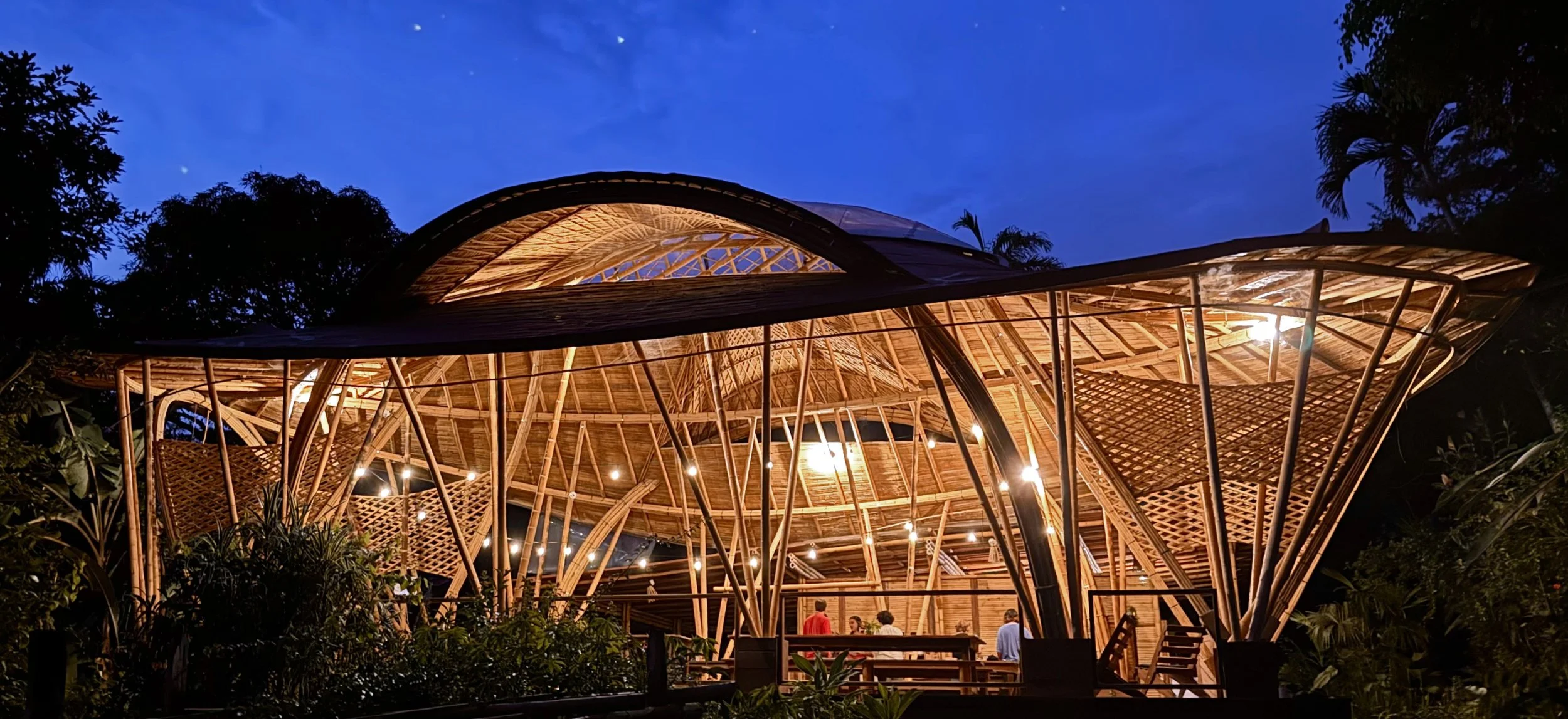
A PILOT PROGRAM TO ESTABLISH A PERMANENT INDIGENOUS-LED GUIDE SCHOOL
Location: Mamoni, Chepo, Panama
Org: Geoversity Foundation
-
This pilot project establishes an Indigenous-led guide school that trains and certifies territorial guardians as professional adventure travel guides. By combining Indigenous ecological knowledge with internationally recognized guide and Wilderness First Responder certifications, the project creates sustainable tourism livelihoods that finance long-term protection of 152,000 hectares of rainforest and watershed while preserving Indigenous culture and biodiversity.
-
A self-sustaining Indigenous guide program where certified guides generate tourism revenue that supports long-term stewardship of 152,000 hectares of critical rainforest, creating lasting conservation jobs while reducing dependence on external grant funding.
-
Innovative model that transforms Indigenous territorial guardians into professional, internationally certified guides and conservation leaders.
Creates a sustainable economic model by linking Indigenous stewardship directly to tourism revenue rather than long-term grant dependency.
Strong integration of biodiversity conservation, Indigenous cultural knowledge, tourism, and community livelihoods.
Protects one of the world's top biodiversity hotspots while safeguarding critical rainforest and watershed ecosystems.
Provides internationally recognized certifications, including Wilderness First Responder (WFR), creating a direct pathway to professional employment.
Empowers Indigenous communities by placing conservation, tourism, and cultural interpretation in local hands.
Experienced organization with a strong track record and a model that could be replicated in other destinations.
Builds long-term local capacity by creating conservation careers that encourage Indigenous youth to remain in their communities while protecting their ancestral lands.
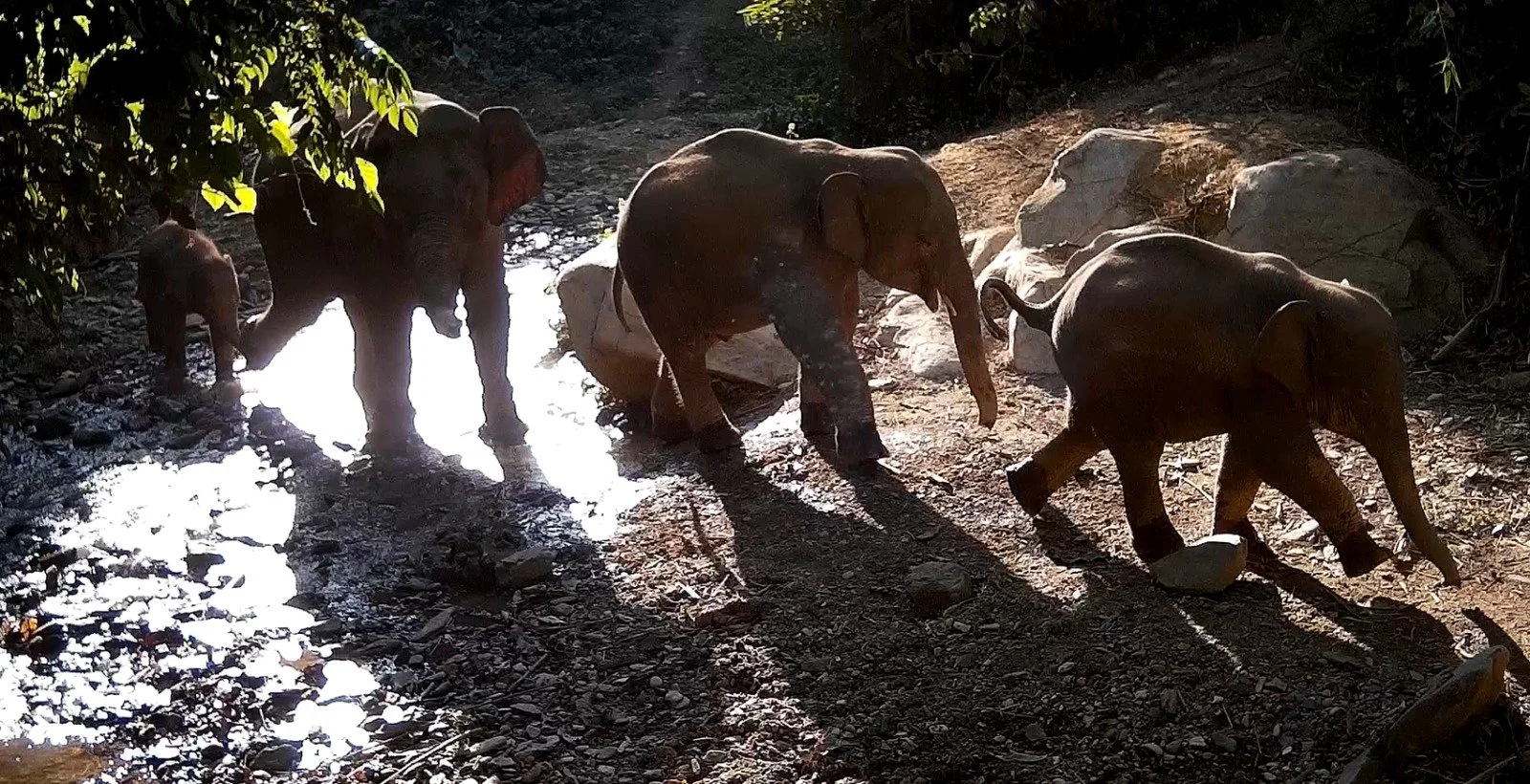
COMMUNITY ECO-TOURISM FOR WILD ELEPHANT CONSERVATION
Location: Oudomxay Province, Laos
Org: MandaLao Elephant Conservation
-
This project launches a community-led ecotourism program in Laos' Nam Pak Protected Area that protects endangered wild elephants while creating sustainable livelihoods for local communities. Tourism revenue will directly fund ranger patrols, wildlife monitoring, habitat restoration, and human-elephant conflict response, creating a long-term financial incentive to conserve wildlife and forests.
-
A fully operational community ecotourism program generates sustainable income for local guides and 14 villages while visitor fees continuously fund ranger patrols, biodiversity monitoring, and protection of approximately 30 endangered wild Asian elephants in the 30,000-hectare Nam Pak Protected Area.
-
Tourism-to-conservation funding model, with visitor fees directly supporting ranger patrols, wildlife monitoring, habitat restoration, and human-elephant conflict mitigation.
Protects endangered Asian elephants and other threatened wildlife while strengthening conservation across a 30,000-hectare protected area and benefiting 14 surrounding villages.
Strong partnership with provincial government through a formal three-year conservation agreement provides confidence in implementation and long-term support.
Builds sustainable local livelihoods by training community guides, supporting Indigenous cultural tourism, and establishing a community conservation fund that shares tourism benefits locally.
Based on existing camera trap research, government partnerships, and an operational ethical tourism business, reducing implementation risk.
Supports the continued transformation of elephant tourism in Laos by promoting ethical, observation-based experiences rather than exploitative interactions.
Practical, measurable project with achievable outcomes that directly link conservation, tourism, and community wellbeing.
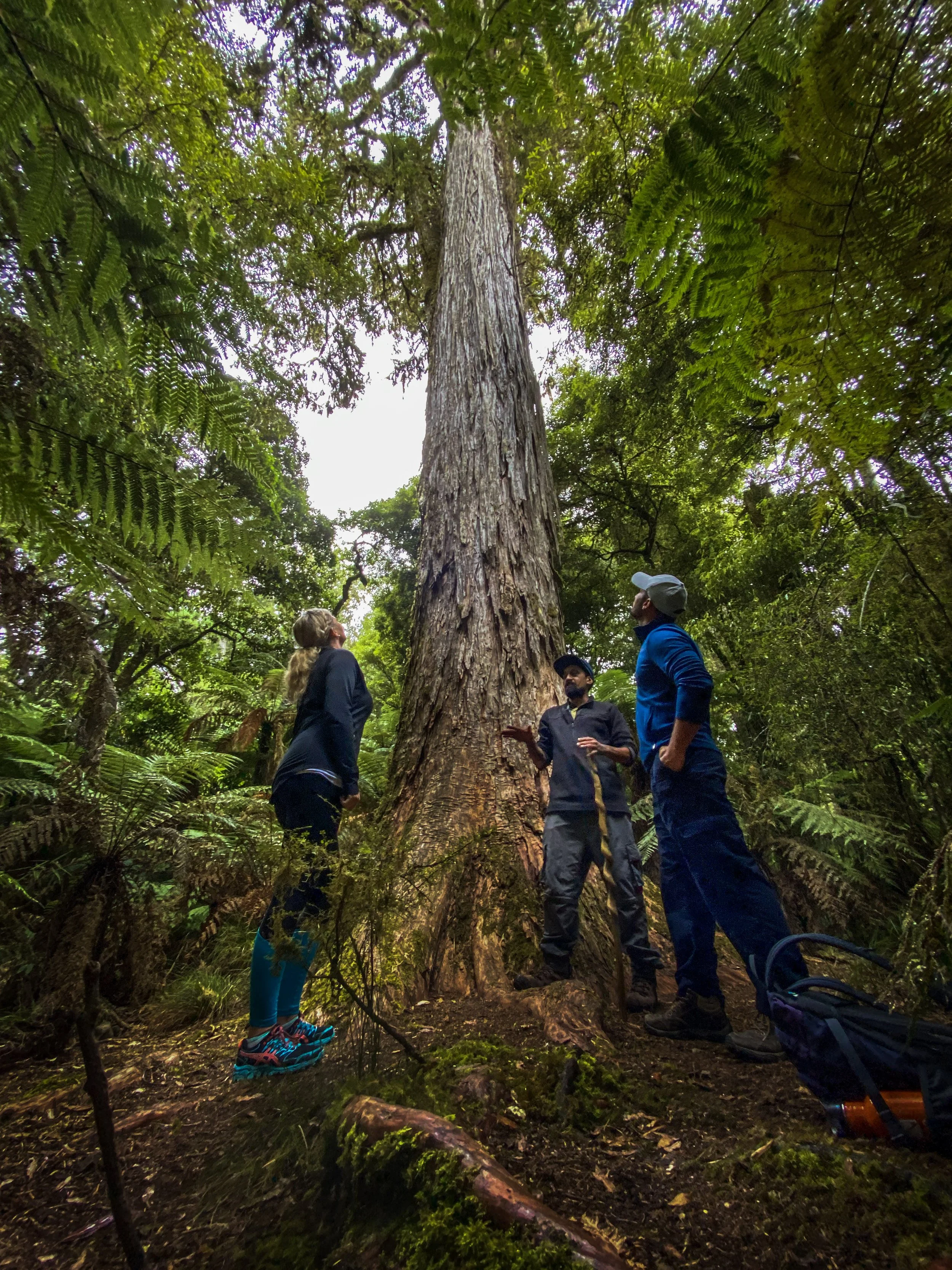
INDIGENOUS YOUTH LEADING REGENERATIVE TOURISM
Location: Central North Island of New Zealand plus Uluru and Central Australia (Northern Territory)
Org: Native Nations Charitable Trust
-
This Indigenous-led initiative brings together Māori and Aboriginal youth to restore ecosystems, strengthen cultural knowledge, and co-design regenerative tourism experiences that fund long-term conservation. By connecting Indigenous leadership, environmental stewardship, and tourism, the project creates lasting pathways for biodiversity restoration, community resilience, and youth leadership across New Zealand and Australia.
-
Twenty Indigenous youth help establish conservation initiatives and regenerative tourism experiences across six Indigenous communities, restoring thousands of native plants while creating community-led tourism experiences that generate ongoing support for conservation and cultural revitalization.
-
Innovative Indigenous-led model that weaves together conservation, cultural knowledge, youth leadership, and regenerative tourism.
Creates authentic tourism experiences where visitors actively participate in restoration rather than simply observe.
Strong emphasis on Indigenous leadership, ensuring communities design, lead, and benefit from conservation and tourism initiatives.
Builds long-term community capacity by pairing elders with youth to strengthen intergenerational transfer of cultural and environmental knowledge.
Strong focus on youth empowerment, leadership development, and creating future conservation leaders.
Highly compelling storytelling opportunity, connecting Indigenous cultures across New Zealand and Australia through conservation.
Scalable model with the potential to be replicated in other Indigenous communities and destinations.
Integrates biodiversity restoration, food sovereignty, and cultural revitalization into one community-led conservation approach.
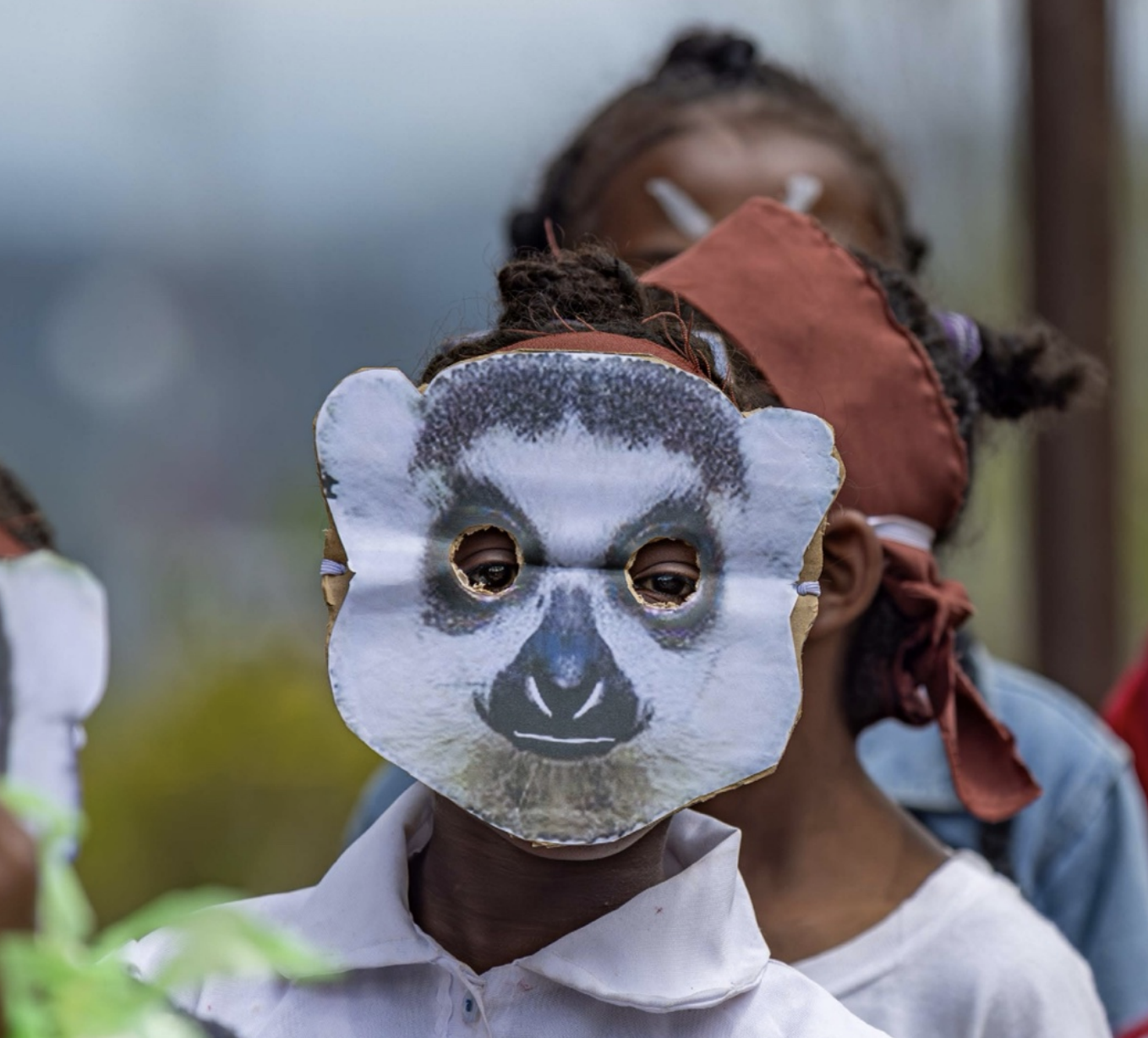
REFORESTING MADAGASCAR'S LEMUR CORRIDOR
Location: Maromizaha, Madagascar
Org: Groupe d’Étude et de Recherche sur les Primates de Madagascar
-
This project will restore 15 hectares of degraded forest in the buffer zone of the Maromizaha Protected Area by planting 15,000 native trees, reconnecting critical habitat for Madagascar's iconic lemurs. Through community-led restoration, guide training, and sustainable livelihood opportunities, the project strengthens biodiversity, climate resilience, and ecotourism while reducing pressures that drive deforestation.
-
A restored forest corridor supporting critically endangered lemurs, thriving community-led ecotourism, and local families earning sustainable livelihoods through conservation while protecting the Maromizaha Protected Area for the long term.
-
Tackles the root causes of habitat loss by creating sustainable livelihoods that reduce dependence on deforestation and slash-and-burn agriculture.
Strong community ownership and governance, with local associations actively leading conservation decisions.
Creates meaningful economic opportunities through ecotourism, guide training, agroforestry, and restoration employment.
Protects a critical forest corridor in one of Madagascar's most important biodiversity areas, benefiting three Critically Endangered lemur species and other endemic wildlife.
Impressive community governance model, including comprehensive landowner mapping that has helped prevent land conflicts and support long-term conservation.
Well-rounded project with clear, measurable outcomes and strong local buy-in.
Experienced organization with a proven track record and compelling storytelling potential around lemur conservation, community leadership, and habitat restoration.
Builds local capacity while strengthening climate resilience, biodiversity conservation, and sustainable tourism in one integrated approach.
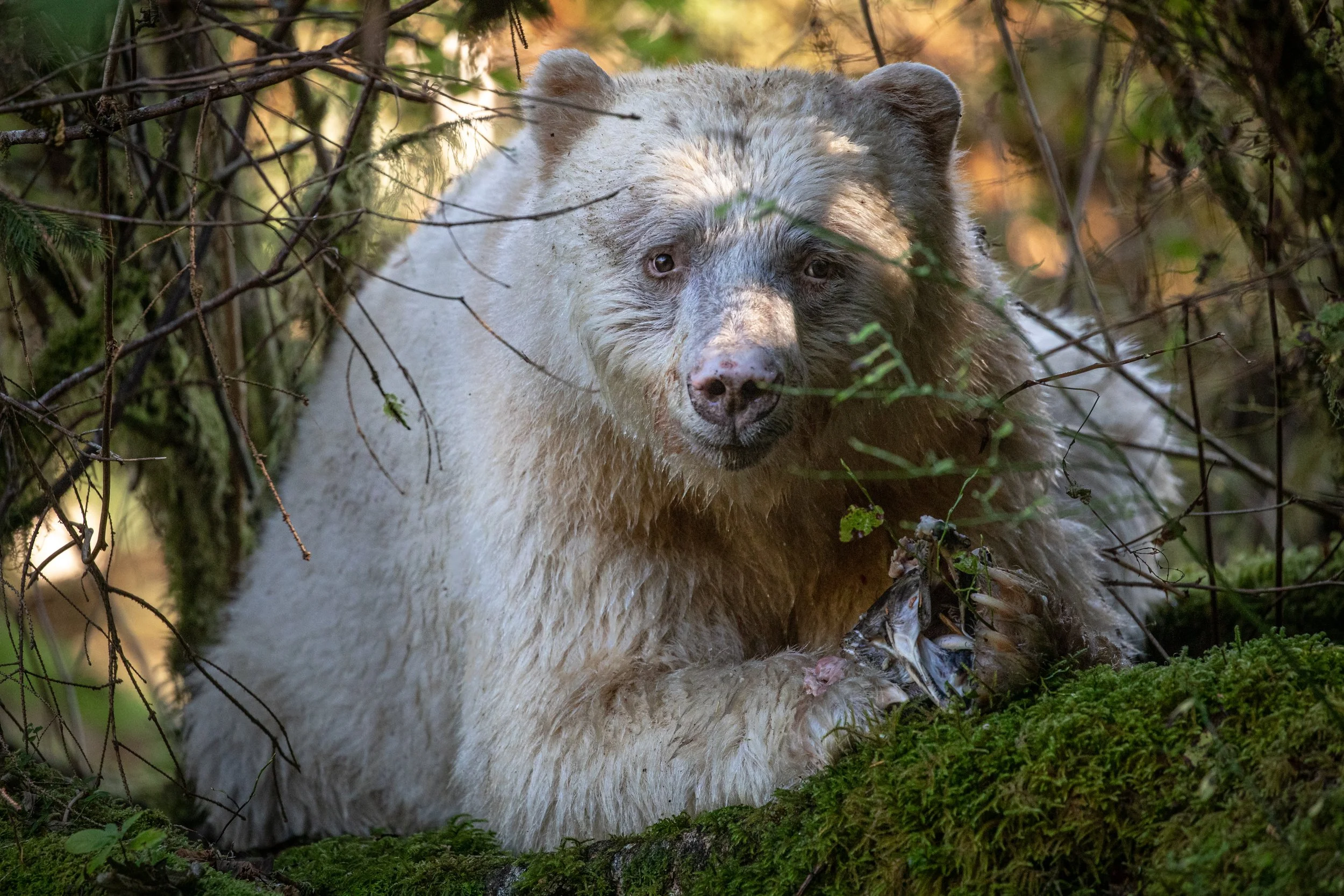
STRENGTHENING INDIGENOUS STEWARDSHIP IN THE GREAT BEAR RAINFOREST
Location: Kitasoo Xai'xais Territory, Klemtu, Canada
Org: Spirit Bear Adventures LTD
-
This Indigenous-led project deploys a network of wildlife camera traps and salmon monitoring across Kitasoo Xai'xais Territory to better understand how climate change is affecting wildlife populations and habitat use. The data will guide future protected areas, sustainable tourism planning, and Indigenous stewardship while training local guides and community members to lead long-term conservation efforts.
-
A long-term wildlife monitoring network provides the Kitasoo Xai'xais Nation with the data needed to guide new protected areas, sustainable tourism management, and wildlife conservation, while local guides continue leading monitoring efforts supported by tourism revenue.
-
Indigenous-led initiative that strengthens stewardship of the globally significant Great Bear Rainforest.
Uses science to directly inform future protected areas, wildlife management, and sustainable tourism planning.
Builds local capacity by training Kitasoo Xai'xais community members and guides to lead wildlife monitoring and data collection.
Focuses on iconic species (including Spirit Bears, grizzly bears, black bears, and salmon) to better understand the impacts of climate change and ecosystem change.
Creates a sustainable conservation model, with Spirit Bear Lodge committing to continue funding the project over the next five years and visitor conservation fees helping support ongoing monitoring.
Strong integration of Indigenous leadership, conservation science, and tourism, with lodge profits reinvested into community stewardship initiatives.
Protects one of North America's last intact coastal temperate rainforest ecosystems while strengthening the long-term sustainability of nature-based tourism.
Well-respected Indigenous-owned ecolodge with a proven commitment to conservation and community investment, creating a strong foundation for lasting impact.
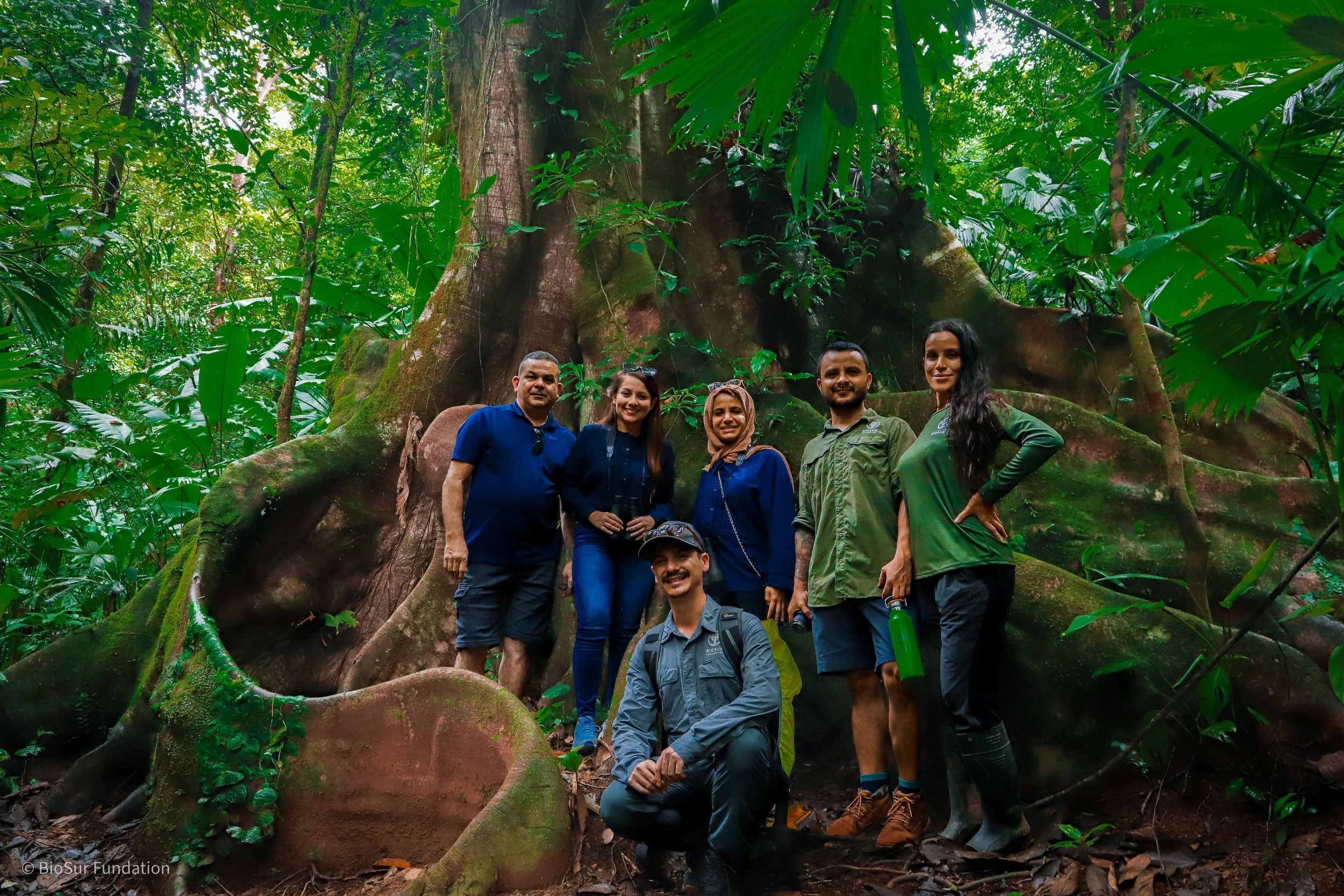
BUILDING COSTA RICA’S FIRST NATIVE STINGLESS BEE SANCTUARY
-
This project will establish the Osa Peninsula's first native stingless bee sanctuary, a wildlife canopy viewing platform, and an immersive environmental education program to protect essential rainforest pollinators while creating new ecotourism experiences. By linking conservation with tourism, research, and community enterprise, the project generates sustainable income for local guides and women entrepreneurs while helping protect one of the world's most biodiverse regions.
-
A thriving native stingless bee sanctuary and wildlife viewing experience that attracts visitors year-round, generates sustainable tourism revenue for conservation, expands opportunities for local guides and women entrepreneurs, and strengthens long-term protection of the Osa Peninsula's rainforest ecosystems.
-
Establishes the Osa Peninsula's first native stingless bee sanctuary, creating a unique conservation and tourism attraction.
Strong integration of conservation, tourism, environmental education, and community livelihoods into one innovative model.
Creates direct economic opportunities by training nine local women and supporting more than 15 local guides with new ecotourism experiences.
Builds a compelling business case for rainforest conservation by generating tourism revenue that is reinvested into protecting biodiversity.
Innovative concept with strong potential to become a scalable model for conservation-based tourism in other destinations.
Protects essential native pollinators that play a critical role in maintaining rainforest biodiversity and ecosystem health.
An engaging, distinctive visitor experience that helps connect travelers with conservation while supporting local communities and long-term stewardship.
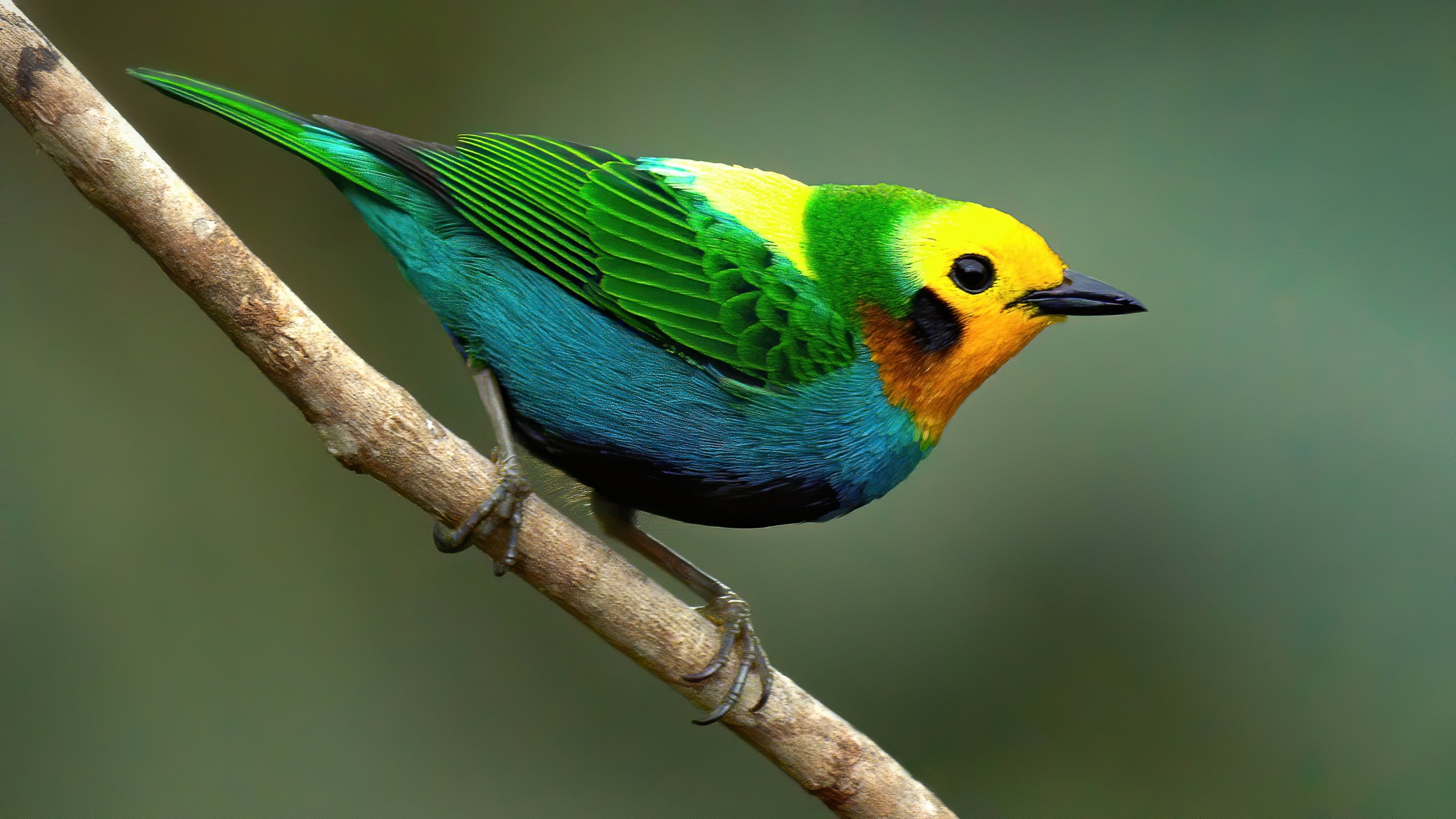
EL CANTO DE LAS AVES: BUILDING COLOMBIA'S RESPONSIBLE BIRDWATCHING FUTURE
Location: Colombia
Org: Fundación Wild Colombia
-
This project develops Colombia's first practical responsible birdwatching toolkit, training guides, operators, and local communities to reduce tourism impacts on sensitive bird habitats. Through hands-on education, field resources, and community engagement, it helps ensure that the rapid growth of birdwatching tourism strengthens rather than threatens biodiversity and local livelihoods.
-
Responsible birdwatching practices become the standard across three priority destinations, with at least 150 local tourism professionals adopting new field guidelines, a 30% reduction in harmful visitor behaviors, and healthier bird habitats that support both conservation and sustainable tourism.
-
Addresses an urgent conservation challenge in one of the world's fastest-growing birdwatching destinations by embedding responsible tourism practices before impacts become widespread.
Creates practical, field-based guidance that translates conservation science into actions guides, operators, and visitors can immediately implement.
Strong tourism connection, with birdwatching serving as both the conservation challenge and the primary vehicle for the solution.
Supports local guides, tourism operators, and communities by improving service quality, visitor management, and long-term livelihood opportunities.
Scalable model that could be replicated across Colombia and adapted for birdwatching destinations worldwide.
Protects globally important bird habitats by reducing visitor disturbance and promoting ethical wildlife viewing practices.
Clear, measurable outcomes with achievable deliverables, including training at least 150 tourism professionals and reducing high-impact visitor behaviors.
Positioned to shape the future of Colombia's rapidly growing birdwatching industry, ensuring tourism growth supports biodiversity conservation rather than degrading it.
Strong potential for broader partnerships and future investment from bird conservation organizations and the global birding community.

PROTECTING THE ARCTIC REFUGE THROUGH INDIGENOUS LEADERSHIP
Location: Fort McPherson, Northwest Territories and across the Gwich'in Nation (14 Villages in Alaska/Canada)
Org: Gwich'in Steering Committee
-
This Indigenous-led initiative strengthens long-term protection of the Arctic National Wildlife Refuge by establishing a Gwich'in Youth Advocacy Council, engaging tourism operators as conservation partners, and amplifying Indigenous voices through storytelling and media. By connecting cultural stewardship, conservation advocacy, and the tourism industry, the project helps safeguard one of North America's last intact wilderness landscapes and the Porcupine Caribou Herd that depends on it.
-
A permanent Gwich'in Youth Advocacy Council is leading conservation efforts, tourism operators have formally committed to supporting Arctic Refuge protection, and Indigenous-led storytelling has expanded public awareness and support for protecting the Porcupine Caribou Herd and the Arctic National Wildlife Refuge.
-
Indigenous-led initiative grounded in Gwich'in leadership, cultural knowledge, and stewardship of ancestral lands.
Creates the next generation of Indigenous conservation leaders through the establishment of a Gwich'in Youth Advocacy Council.
Engages tourism operators and guides whose businesses depend on an intact Arctic Refuge, strengthening the connection between tourism and conservation.
Builds on a decades-long track record of successful Indigenous advocacy to protect one of North America's most significant wilderness landscapes.
Strong collaboration across Alaska and Canada, bringing together Indigenous communities around a shared conservation vision.
Powerful storytelling opportunity that amplifies Indigenous voices and connects visitors, media, and conservation audiences to the importance of protecting the Arctic.
Protects globally significant habitat for the Porcupine Caribou Herd, polar bears, migratory birds, and other Arctic wildlife while preserving the wilderness character that supports nature-based tourism.
Proven organization with strong community trust, established partnerships, and a clear strategy for mobilizing youth, tourism operators, and public support for long-term conservation.
Demonstrates how Indigenous leadership and tourism can work together to protect both cultural heritage and one of the world's last great intact wilderness landscapes.
Location: Puerto Jimenez, Osa Peninsula, Costa Rica
Org: BioSur Foundation
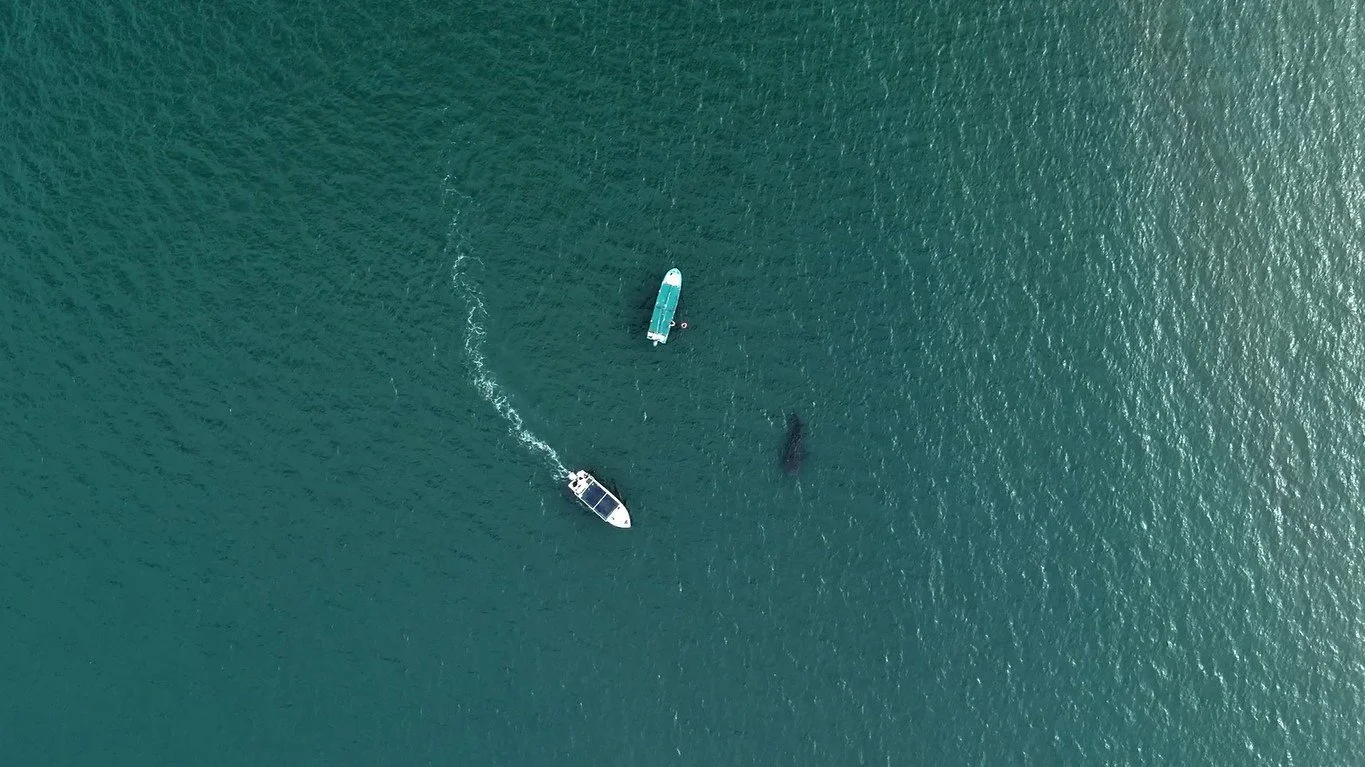
SCIENCE FOR SUSTAINABLE WHALE SHARK TOURISM
Location: La Paz, Mexico
Org: Conexiones Terramar AC
-
This project uses acoustic tagging and injury monitoring to better understand whale shark movements and identify critical habitat in Bahía de La Paz. The resulting data will help improve tourism management, reduce disturbances and injuries to endangered whale sharks, and support a more sustainable tourism industry that benefits both wildlife and local communities.
-
Science-based management measures are adopted to better protect whale sharks by identifying critical habitat, reducing tourism impacts, and ensuring a healthy, sustainable whale shark tourism industry that supports local livelihoods for years to come.
-
Strong science-based project that directly addresses the impacts of tourism on an Endangered flagship species.
A practical and achievable approach to improving whale shark tourism management in one of the world's premier whale shark destinations.
Clear conservation and tourism benefits, with the potential to reduce injuries, strengthen responsible tourism practices, and improve long-term stewardship.
Board members appreciated the project's measurable outcomes, strong biodiversity impact, and direct connection between science, conservation, and the tourism industry.
Seen as an important investment in ensuring whale shark tourism remains both sustainable and economically viable for the local community.
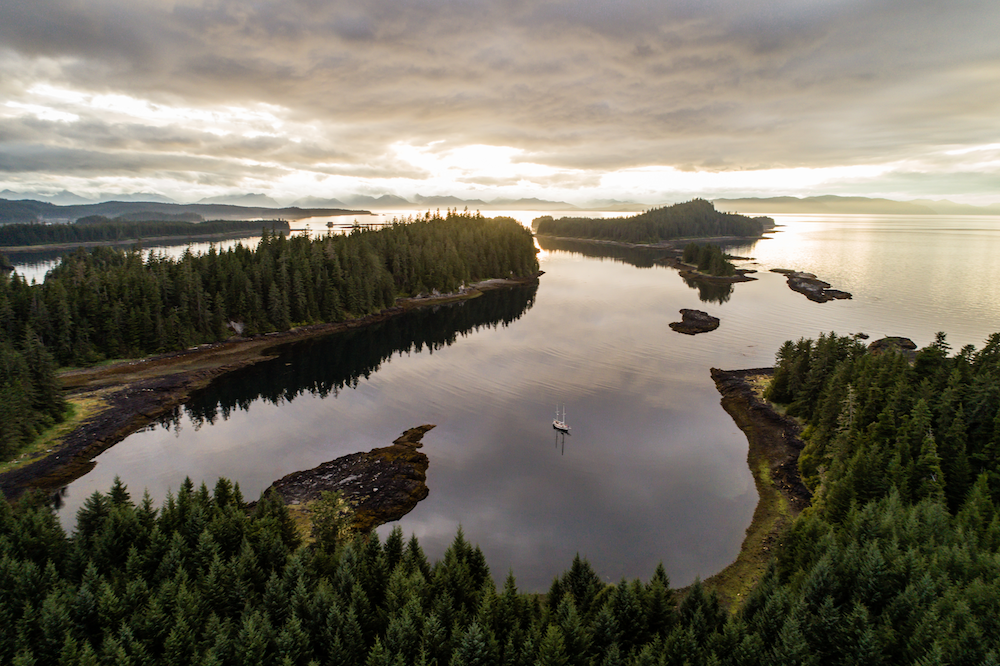
TONGASS RECREATION PARTNERSHIP
Location: Juneau, Alaska, USA
Org: Alaska Venture Fund
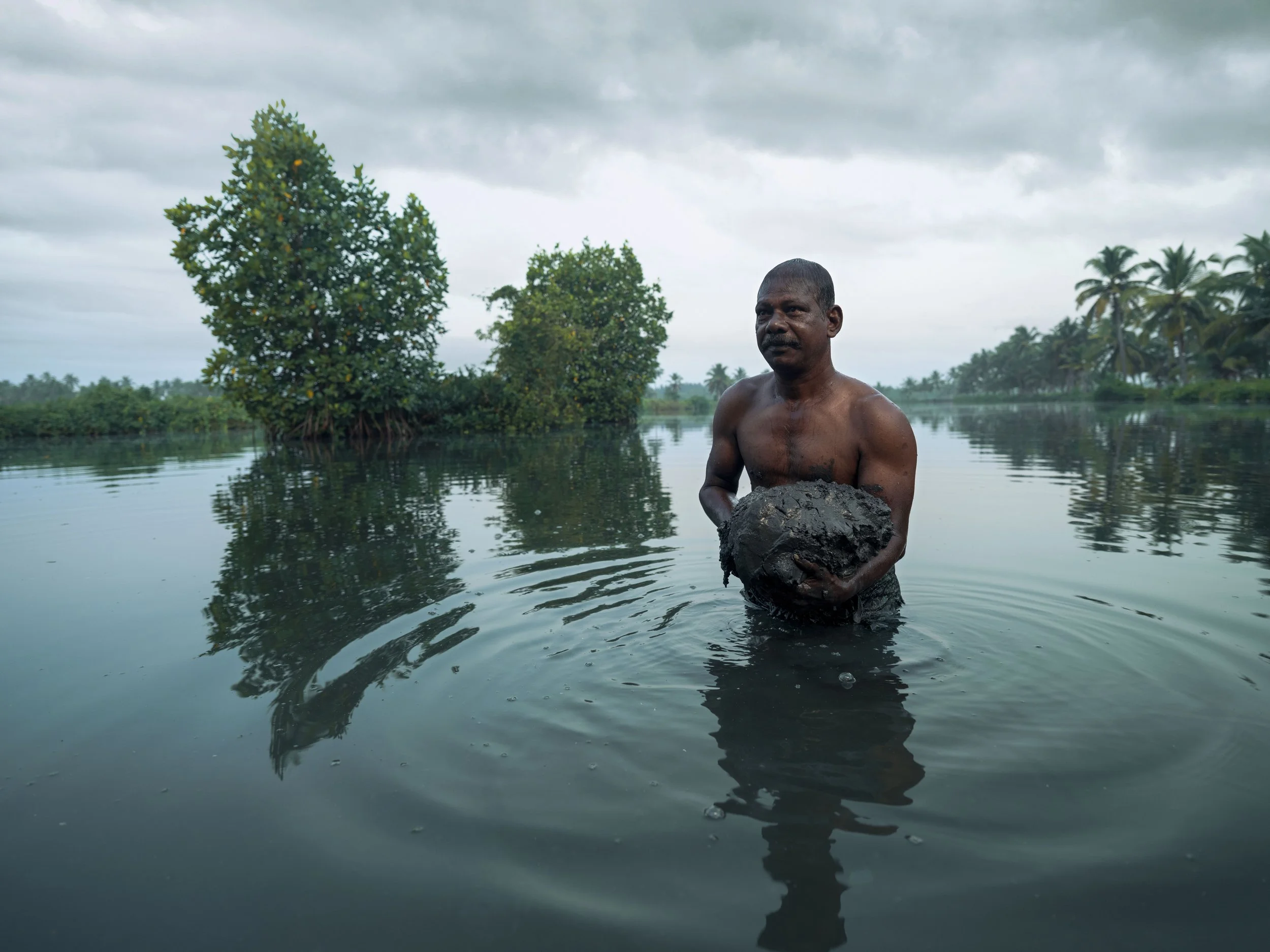
COASTAL COMMUNITIES THROUGH CLIMATE RESILIENCE: A TOURISM-LED APPROACH
-
This project establishes community-led ecological monitoring, creates a community-managed fish sanctuary, and restores mangrove habitat in Coastal Kochi, India. By repurposing tourism as a driver of conservation, it strengthens climate resilience, protects biodiversity, and creates new tourism experiences that support local livelihoods and long-term ecosystem stewardship.
-
A community-managed fish sanctuary and restored mangrove habitat improve coastal biodiversity and climate resilience, while trained local residents lead ecological monitoring and new tourism experiences that generate sustainable income and support long-term stewardship of Coastal Kochi's estuarine ecosystems.
-
Innovative model that repurposes tourism as a tool for climate resilience, biodiversity conservation, and community preparedness rather than simply minimizing tourism impacts.
Community-led approach with local fishers, tourism operators, and local governments jointly managing ecological monitoring, fish sanctuary protection, and mangrove restoration.
Nature-based solutions—including mangrove bio-fencing and a community-managed fish sanctuary—address coastal erosion, biodiversity loss, and climate impacts simultaneously.
Strong tourism leadership and credibility through Resilient Destinations Foundation and long-time responsible tourism leader Gopinath Parayil and The Blue Yonder.
Creates a scalable model that could be replicated in other climate-vulnerable coastal tourism destinations.
Expands tourism experiences (including mangrove trails, community dining, and cultural interpretation) while directly supporting conservation and local livelihoods.
Strong alignment with climate resilience, community resilience, and biodiversity protection, with tourism serving as the connecting mechanism rather than simply the backdrop.
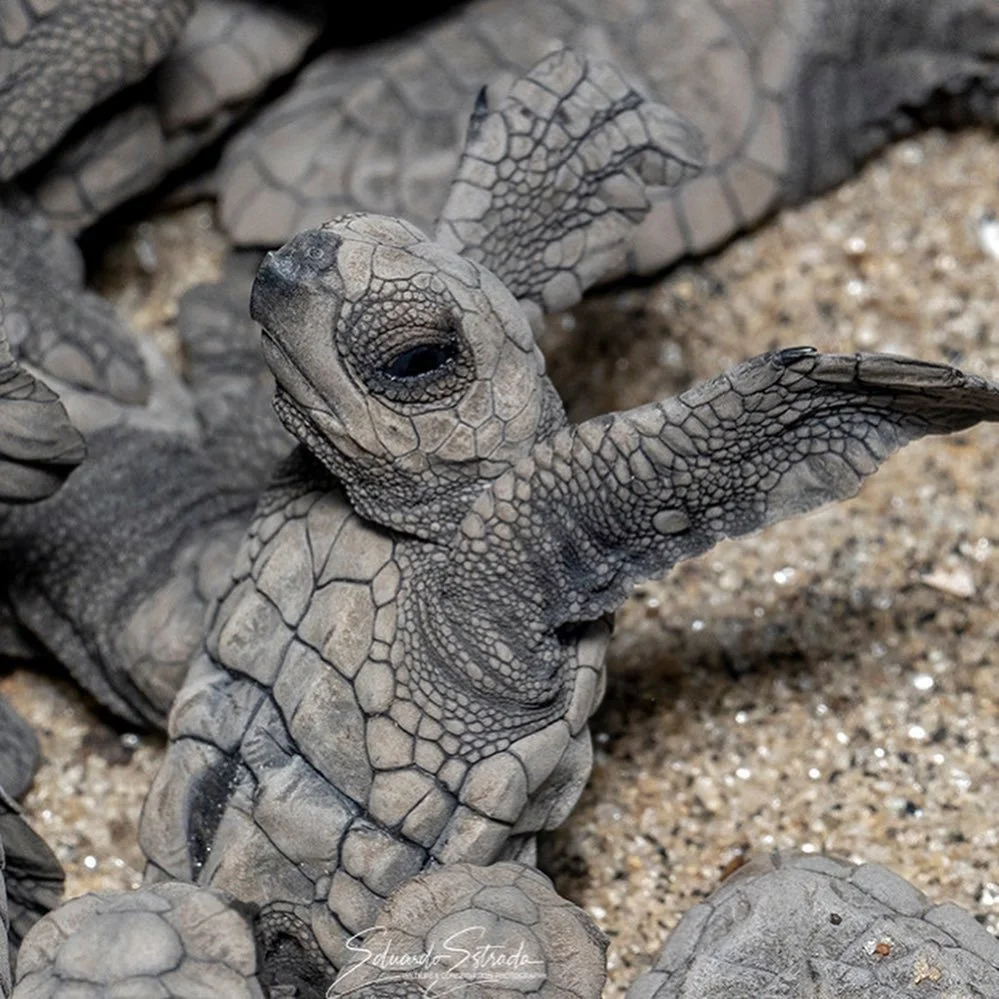
EXPANDING COMMUNITY-LED SEA TURTLE CONSERVATION
Location: Veraguas, Panamá
Org: Fundación Agua y Tierra /Guardians of the Sea
-
Building on the success of its 2025 ATCF grant, this project expands community-led sea turtle conservation to a second nesting beach while growing the Eco-Ruta Tortuga, a regenerative tourism initiative that directly funds conservation and creates sustainable livelihoods. By protecting threatened sea turtles, restoring coastal ecosystems, and strengthening community-owned tourism, the project demonstrates how travel can finance long-term conservation.
-
More than 300 sea turtle nests are protected annually across two beaches with hatch rates above 85%, regenerative tourism generates sustainable income for local families, and a community-managed tourism fund provides long-term financing for sea turtle conservation.
-
Proven conservation model that successfully integrates biodiversity protection, community livelihoods, and regenerative tourism.
Visitor spending directly supports conservation through the Eco-Ruta Tortuga and a community tourism fund, creating a sustainable financing model.
Expands protection to a second nesting beach while increasing sea turtle nest protection and hatchling survival.
Offers 14 community-based tourism experiences that create local jobs and reduce pressure on natural resources.
Strong focus on community leadership, with significant participation and economic opportunities for women and youth.
Demonstrated track record with ATCF, including strong project delivery, responsiveness, and reporting from the 2025 grant.
Example of regenerative tourism protecting biodiversity while strengthening local economies and community stewardship.
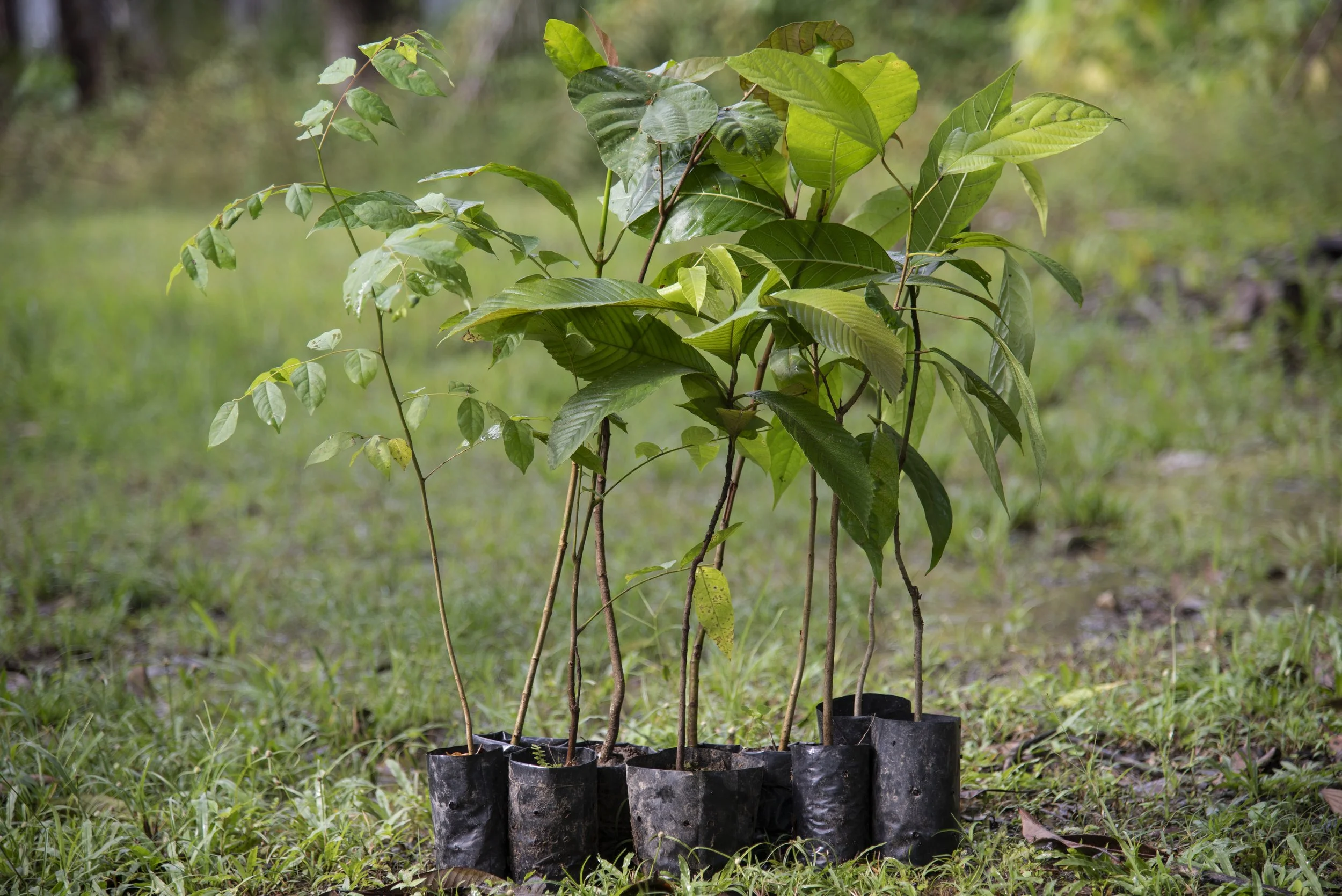
RECONNECTING WILDLIFE COORIDORS
Location: Sukau, Malaysia
Org: Animal Projects & Environmental Education Sdn Bhd
-
This project restores degraded rainforest in the Lower Kinabatangan Wildlife Sanctuary to reconnect critical wildlife corridors for endangered orangutans, pygmy elephants, hornbills, and other threatened species. By combining habitat restoration with local employment, community partnerships, and ecotourism, the project strengthens one of Borneo's most iconic wildlife destinations while supporting long-term conservation and local livelihoods.
-
A restored rainforest corridor that reconnects fragmented habitat, supports healthier populations of endangered wildlife, creates lasting employment for local communities, and strengthens the Lower Kinabatangan as a world-class ecotourism destination.
-
Restores critical wildlife corridors in one of the world's most important biodiversity hotspots.
Creates meaningful benefits for both conservation and local communities by linking habitat restoration with employment and ecotourism.
Delivers nature-based climate solutions through reforestation that improves ecosystem connectivity, carbon storage, and landscape resilience.
Strong 17-year track record gives confidence in the organization's ability to deliver lasting conservation outcomes.
Clear economic incentives help local communities protect and restore forest habitat.
Protects globally significant wildlife, including orangutans, pygmy elephants, hornbills, and other threatened species.
Location: Coastal Kochi, kerala, India
Org: Resilient Destinations Foundation
-
The Tongass Recreation Partnership is bringing together tourism operators, local communities, Tribal leaders, and recreation organizations to help shape the future management of the Tongass National Forest. By ensuring recreation and sustainable tourism have a stronger voice in forest planning, the project aims to protect old-growth forests, roadless areas, and the landscapes that support both biodiversity and local economies.
-
A new Tongass Forest Plan that better protects old-growth forests and recreation landscapes, strengthens stewardship, and establishes a lasting, locally led partnership that ensures tourism and recreation help guide conservation decisions across Southeast Alaska.
-
A compelling example of tourism serving as a powerful driver for conservation at a landscape scale.
Opportunity to influence the future management of one of the world's most important temperate rainforests, with potential benefits for millions of acres of roadless and old-growth forest.
Strong collaboration among local communities, tourism businesses, recreation organizations, and Tribal partners.
Experienced team with a proven track record of advancing complex conservation initiatives.
Meaningful integration of recreation, stewardship, climate, and conservation priorities into long-term public land management.
Strong alignment with ATCF's mission by demonstrating how sustainable tourism can help protect globally significant ecosystems.
Well-positioned to create lasting conservation impact by giving local recreation and tourism stakeholders a stronger voice in federal land management decisions.
SECURING HABITAT FOR CRITICALLY ENDANGERED VIZCACHA
-
This project secures 35 hectares of critical Tropical Andes habitat for the Critically Endangered Ecuadorian Vizcacha while training Quilanga's first local ecotourism guides. By protecting Loma Delgada from illegal mining, livestock expansion, and land conversion, the project creates the foundation for long-term biodiversity protection, watershed resilience, and community-led ecotourism.
-
A formal purchase commitment secures 35 hectares of priority habitat for the Ecuadorian Vizcacha, while three local guides are certified and ready to lead low-impact species-watching experiences that connect visitors to conservation and support future community-based ecotourism.
-
One of the few projects on the ballot that directly protects new land, creating a durable pathway toward permanent conservation.
Protects critical habitat for the Critically Endangered Ecuadorian Vizcacha, one of the rarest and most localized species in the Tropical Andes.
Strong fit with ATCF's conservation metrics, including biodiversity hotspot protection, threatened species conservation, climate resilience, and community livelihoods.
Community-rooted project with local guide training, stewardship, and ecotourism development built into the conservation strategy.
Strong relationship with the nominating member organization, Responsible Travel, which has been involved with the organization and project for many years.
Protects habitat, watershed values, riparian forest, and cave systems in a globally significant conservation landscape.
Offers a higher-risk, higher-potential opportunity where ATCF funding could make a meaningful difference for a small, grassroots conservation effort.
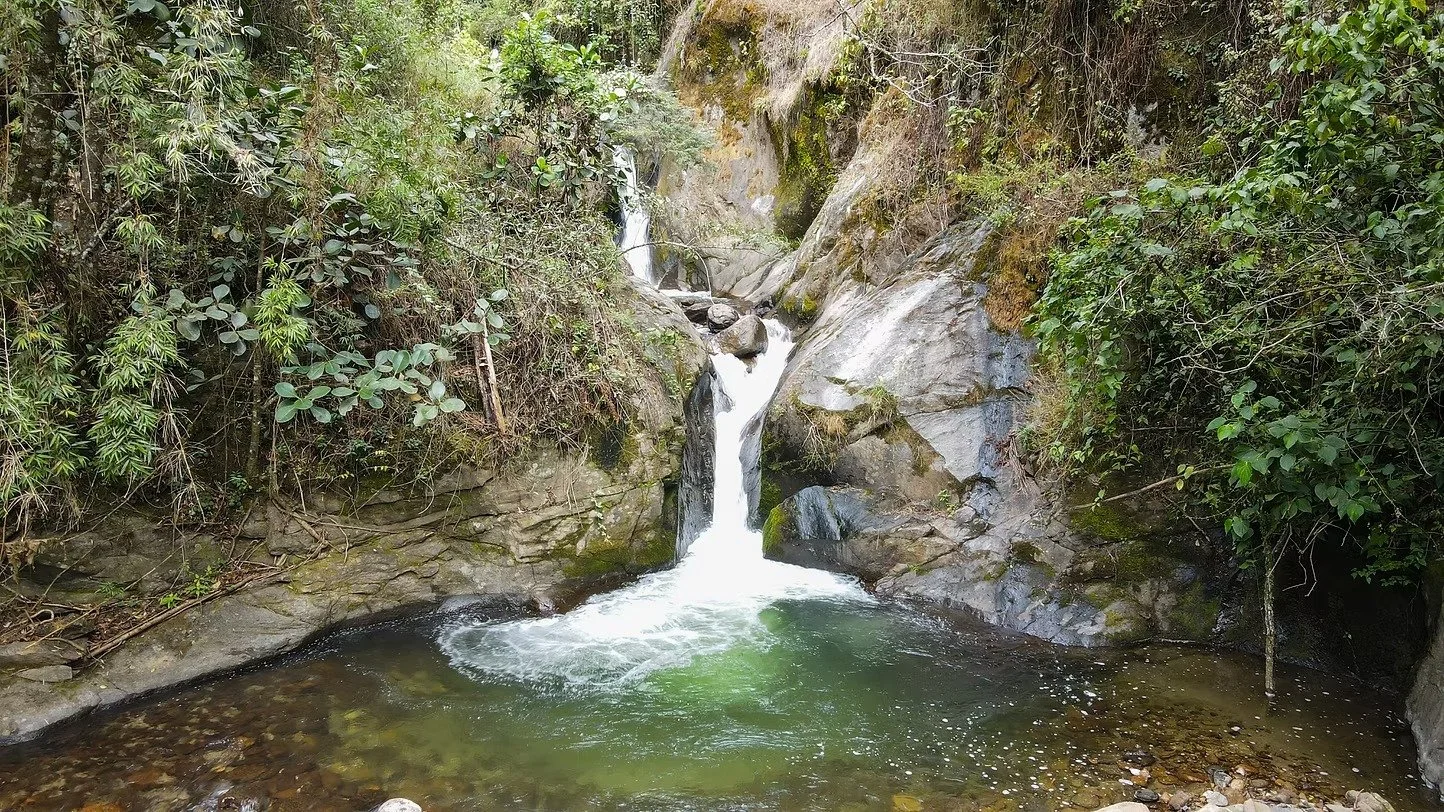
Location: Ecuador, Loja, Quilanga, San Antonio de las Aradas.
Org: Fundación Amazonia Productiva
TRAINING THE NEXT GENERATION OF REEF GUARDIANS
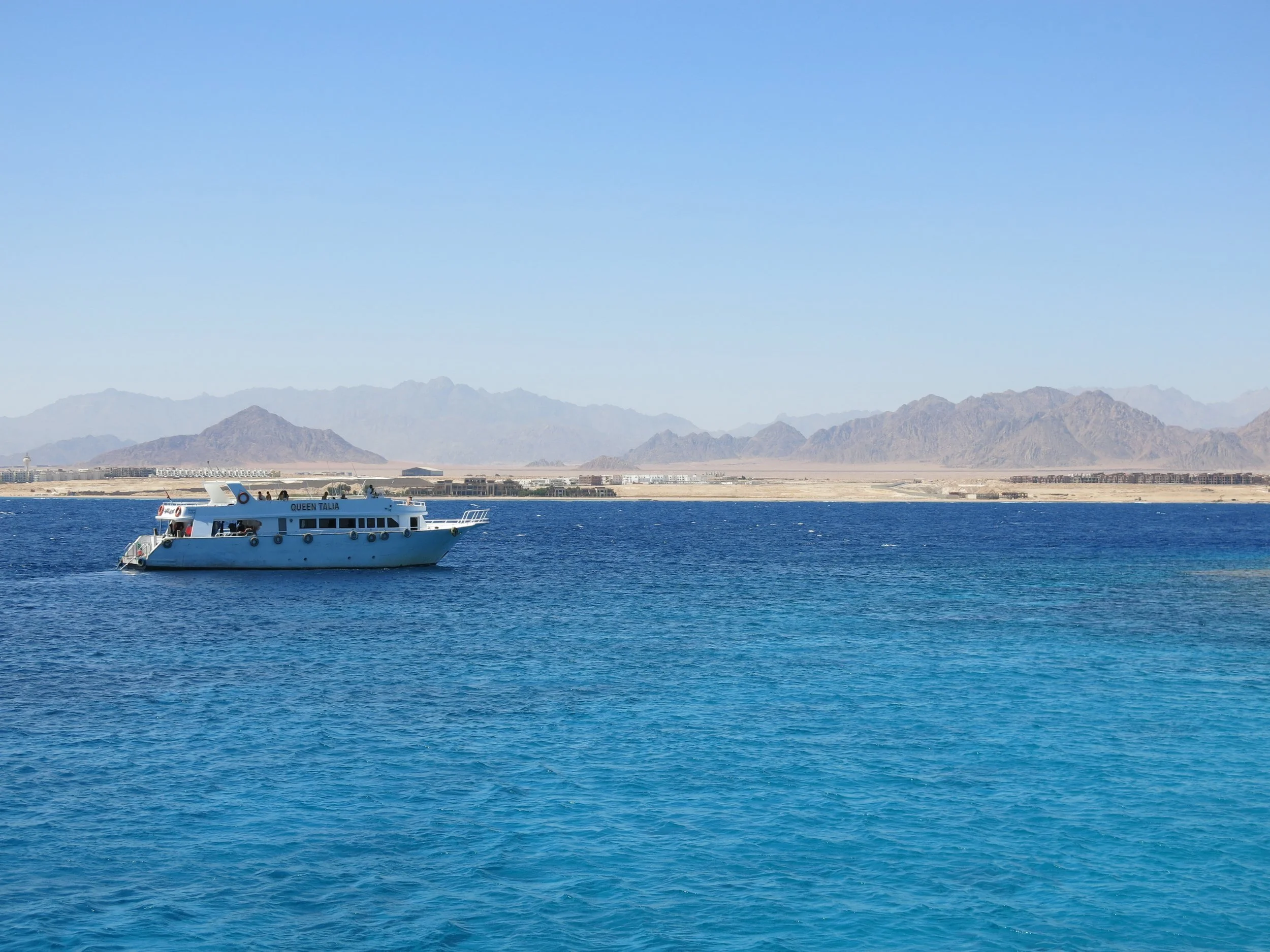
Location: Sharm El-Sheikh, Egypt
Org: The Reef-World Foundation
-
This project pilots Egypt's first certification program for snorkel guides, transforming frontline tourism professionals into conservation stewards who actively protect coral reefs. By embedding sustainable snorkeling practices into industry standards, the initiative aims to reduce tourism-related reef damage, strengthen local guide livelihoods, and create a scalable model for responsible marine tourism.
-
At least 30 certified snorkel guides are actively protecting coral reefs by improving visitor behavior, the certification becomes integrated into Egypt's national marine tourism standards, and the model is ready for replication across the global Green Fins network.
-
Addresses a clear conservation challenge caused by tourism in one of the world's premier coral reef destinations.
Tackles the root cause of reef damage by equipping local snorkel guides with the skills and authority to promote responsible visitor behavior.
Creates a scalable certification model that can be expanded throughout Egypt and adapted across the global Green Fins network.
Strong partnership with Egypt's Chamber of Diving and Water Sports to integrate sustainable snorkeling standards into the tourism industry.
Seizes the current slowdown in tourism as an opportunity to strengthen destination management before visitor numbers rebound.
Protects coral reefs while enhancing the quality of the visitor experience through professionally trained, conservation-focused guides.
Provides clear, measurable outcomes with strong potential for long-term conservation and tourism impact.
Strengthens local guide capacity and professional development while helping safeguard the natural assets that support Egypt's marine tourism economy.